

Quick answer
Is Punta Cana good for snorkeling? Yes. The Dominican Republic's eastern coast delivers calm, shallow Caribbean waters with visibility averaging 15 to 25 meters during peak season. Protected coral gardens at Bavaro Beach and offshore natural pools host parrotfish, sergeant majors, and Nassau groupers. Morning excursions between 09:00 and 11:00 offer the clearest conditions before afternoon trade winds stir sediment. Public beach access is free, but reef sites require paid guided tours.
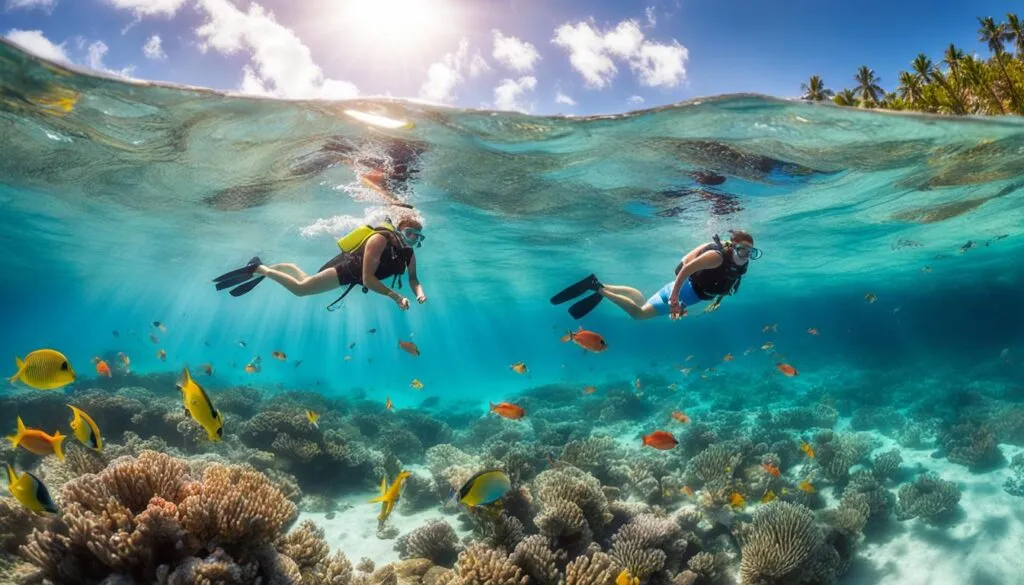
The barrier reef system stretching from Cabo Engaño to Uvero Alto ranks among the Caribbean's most accessible shallow-water formations, with coral heads beginning just 30 meters offshore in certain coves. Water temperature holds steady between 26°C and 29°C year-round, eliminating the need for thermal protection beyond a rash guard. Surface currents remain minimal inside the reef line, making Punta Cana snorkeling conditions suitable for beginners while still offering depth variety for confident swimmers. Marine biodiversity concentrates around three distinct habitat zones. Nearshore seagrass beds at Bavaro Beach shelter juvenile yellowtail snappers and spotted eagle rays during their nursery phase. The mid-distance coral formations—elkhorn, brain, and staghorn varieties—create vertical relief where blue tangs, queen angelfish, and schooling grunts congregate. Offshore natural pools like Hoyo Azul and the Marinarium preserve deeper channels where visibility peaks and larger species such as southern stingrays and occasional nurse sharks patrol sandy corridors. Seasonal blooms between July and September can reduce clarity temporarily, but the trade-off brings nutrient upwellings that attract manta rays and pelagic schools. Snorkeling Punta Cana's reefs requires booking through licensed operators, as independent shore access to protected zones is restricted under Dominican conservation law. Most half-day excursions depart between 09:00 and 10:00, targeting morning windows when underwater visibility reaches its maximum and wave action remains subdued. Tours typically include equipment, safety briefings, and transport to offshore sites unreachable from the beach. Freestyle snorkeling along the public Bavaro waterfront offers immediate access to seagrass flats and scattered coral outcrops, though reef density and fish populations thin closer to developed stretches. Operators based at Bavaro Beach provide the shortest transfer times to the healthiest coral clusters. Current data shows Punta Cana's underwater environment recovering steadily from hurricane impacts recorded in previous seasons, with coral recruitment rates improving along the Uvero Alto corridor. The combination of warm, clear water and legislated marine protection sustains conditions that compare favorably to Cozumel's southern reefs and Grand Cayman's shallow walls. For travelers weighing Caribbean snorkeling destinations, Punta Cana delivers reliable year-round access, predictable conditions, and a compressed travel radius that consolidates reef diversity within a 30-minute boat range.
“The barrier reef system stretching from Cabo Engaño to Uvero Alto ranks among the Caribbean's most accessible shallow-water formations, with coral heads beginning just 30 meters offshore in certain coves.”
Is Punta Cana Good for Snorkeling? Choosing the Best Time
The best window for snorkeling in Punta Cana is between 09:00 and 11:00, when water visibility is at its peak and surface conditions remain calm. Arriving during this period minimizes the impact of afternoon trade winds that often reduce underwater clarity.
December to April
Moderate crowdsDry, 78°F to 84°F
These months offer the most stable weather and consistent underwater visibility for snorkeling excursions.
May to November
Lower crowdsWarmer, 82°F to 88°F
While temperatures are higher, this period includes the rainy season which may affect water clarity.
Morning hours
Minimal crowds—
Daily trade winds increase after midday, making early hours essential for the calmest water conditions.
Verdict: For the best experience, plan your excursion for a weekday morning between December and April, aiming for the 09:00–11:00 arrival window.
Opening Hours for Planning Your Punta Cana Snorkeling Trip
Public beach access in Punta Cana is available daily to accommodate snorkeling excursions. Hours remain consistent throughout the week.
| Monday | 09:00–17:00 | |
|---|---|---|
| Tuesday | 09:00–17:00 | |
| Wednesday | 09:00–17:00 | |
| Thursday | 09:00–17:00 | |
| Friday | 09:00–17:00 | |
| Saturday | 09:00–17:00 | |
| Sunday | 09:00–17:00 |
Is Punta Cana Good for Snorkeling on a Budget? Fee Overview
Access to public beaches in Punta Cana is provided at no cost. However, snorkeling activities require participation in paid boat or excursion tours.
While beach access is free, visitors typically pay for excursion packages which vary based on the service provider.
Getting to Bavaro Beach for Is Punta Cana Good for Snorkeling?
Bavaro Beach serves as the central hub for snorkeling excursions in Punta Cana. Most visitors reach this area via private transfers or taxis directly from their accommodation.
Direct transfer to Bavaro Beach
Drive via Boulevard Turístico del Este to Bavaro
Expreso Bavaro to Friusa Station
Essential Tips if You Ask Is Punta Cana Good for Snorkeling?
Maximize your time in the water by focusing on reef health and equipment preparation for optimal visibility.
Prioritize reef protection
Apply reef-safe sunscreen at least twenty minutes before entering the water to minimize chemical impact on coral ecosystems. This practice helps maintain water clarity for other snorkelers in the area.
Bring your own mask
Standard rental gear often lacks the proper seal for diverse face shapes, leading to frequent fogging and water leakage. Bringing a high-quality, personal mask ensures a comfortable fit and consistent underwater visibility.
Identify reef zones
Most productive snorkeling occurs at the outer barrier reefs rather than directly off the shoreline where sand can obscure visibility. Book tours specifically reaching these outer formations to encounter higher concentrations of marine life.
Manage buoyancy for safety
Avoid touching or standing on coral structures, as this damages the reef and poses a risk of injury from fire coral or sea urchins. Maintain a horizontal position in the water to easily monitor your distance from the reef floor.
Monitor water surface conditions
Check local wind reports for the Atlantic side of the island before heading out. Increased wind speed often creates choppy surface conditions that make snorkeling difficult regardless of underwater visibility.
Check availability
Common questions: is punta cana good for snorkeling
Everything you need to know about is punta cana good for snorkeling