

Quick answer
Punta Cana diving sites span shallow coral gardens at 25–40 feet, intermediate reef systems at 50–70 feet, and advanced wall dives reaching 100+ feet, all clustered along the Bavaro and Cabeza de Toro coastline. Popular sites include the Astron wreck, Marinarium natural aquarium, and La Cueva cavern system. Most operators offer daily departures between 08:30 and 17:00, with morning dives preferred for calmer seas and better light penetration.
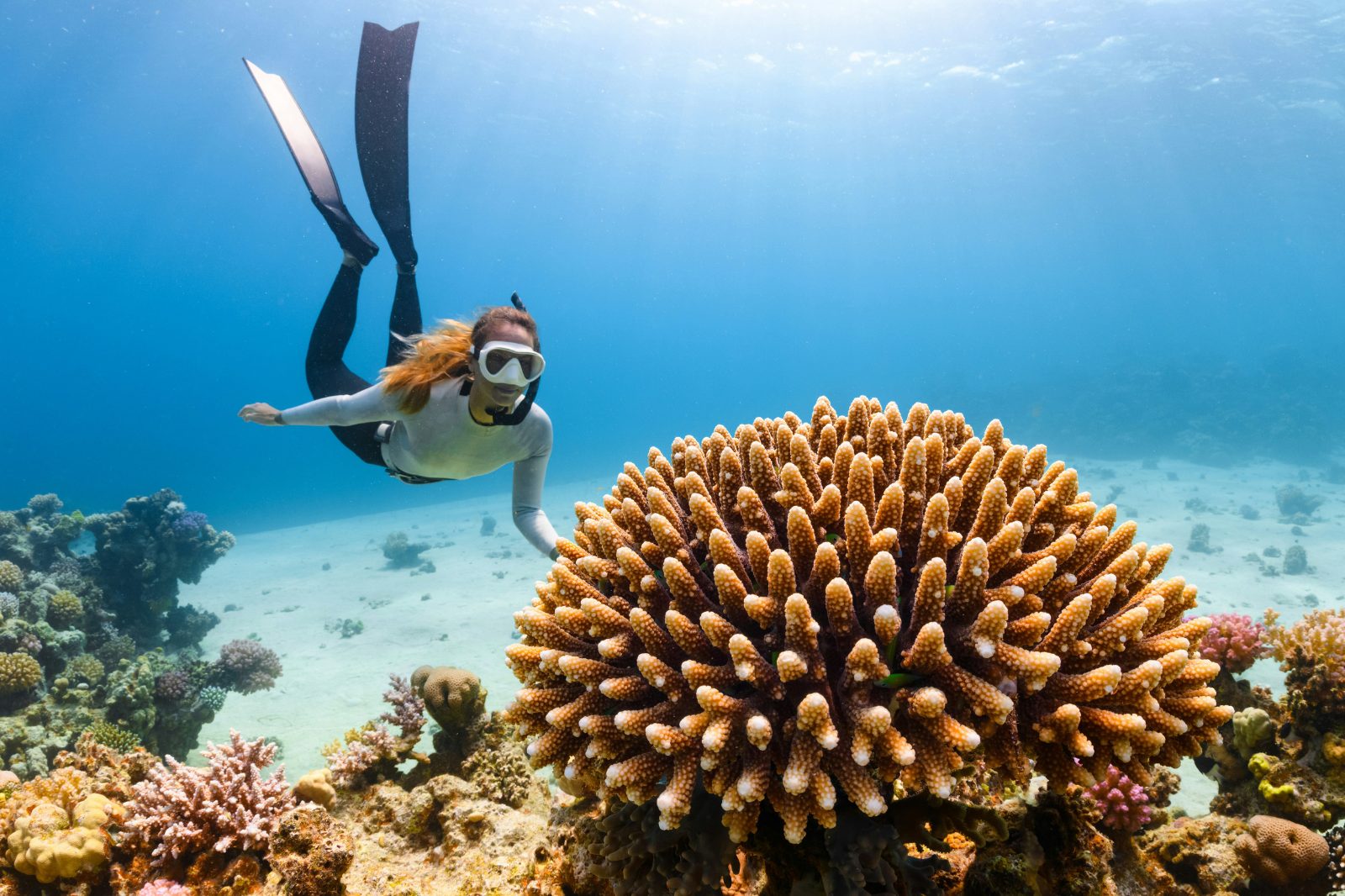
The Dominican Republic's eastern shelf drops away gradually before plunging into the Atlantic Trench, and that geological transition creates a tiered diving landscape. Punta Cana diving sites occupy three distinct depth zones, each hosting different ecosystems and requiring different certification levels. The shallow band—20 to 40 feet—runs parallel to Bavaro Beach for several miles. Brain coral, elkhorn formations, and sea fans dominate the substrate, and the sandy channels between coral heads attract southern stingrays and juvenile reef fish. Operators use these sites for discovery dives and refresher sessions because the depth allows extended bottom time and natural light reaches the seafloor even on overcast days. The Marinarium site, a fenced natural aquarium, sits in this zone and doubles as a snorkel destination. Between 50 and 80 feet, the reef architecture becomes more complex. Coral ridges alternate with sand flats, and swim-throughs carved by centuries of wave action create navigable passages. The Astron, a 130-foot cargo vessel scuttled in 1995, rests at 65 feet and now serves as an artificial reef encrusted with sponges and soft corals. Barracuda, grouper, and schools of blue tang circle the wreck, and its intact hull makes it accessible to intermediate divers. La Cueva, a natural cavern system with three entry points, lies nearby at 70 feet. The cavern's interior remains lit by ambient daylight filtering through openings in the limestone ceiling, so it qualifies as a cavern dive rather than a cave dive and does not require overhead-environment certification. The wall zone begins beyond 90 feet, where the shelf fractures into vertical drop-offs descending past recreational limits. Advanced divers follow these walls to spot pelagic species—Atlantic spadefish, horse-eye jacks, and occasional reef sharks—that patrol the blue water column. Currents intensify along the wall, so drift diving becomes the standard technique. Operators schedule wall dives as the second dive of a two-tank trip, after divers have acclimated on a shallower site. Most Punta Cana dive centers operate from Bavaro Beach and Cabeza de Toro, where protected bays allow safe boat launching year-round. Boats reach the nearest sites within 10 minutes and the farthest wall dives within 25 minutes. The underwater landscape here lacks the dramatic topography of Bonaire or Cozumel, but the combination of intact coral health, steady fish populations, and logistical ease makes the region a practical choice for travelers prioritizing convenience and reliable conditions over frontier exploration.
“The shallow band runs parallel to Bavaro Beach for several miles, where brain coral and elkhorn formations create extended dive times in natural light.”
Notable Punta Cana Diving Sites and Underwater Features
Punta Cana offers diverse underwater environments ranging from intentional artificial reefs to natural coral structures. These sites support a variety of marine life including rays, barracudas, and schools of tropical fish.
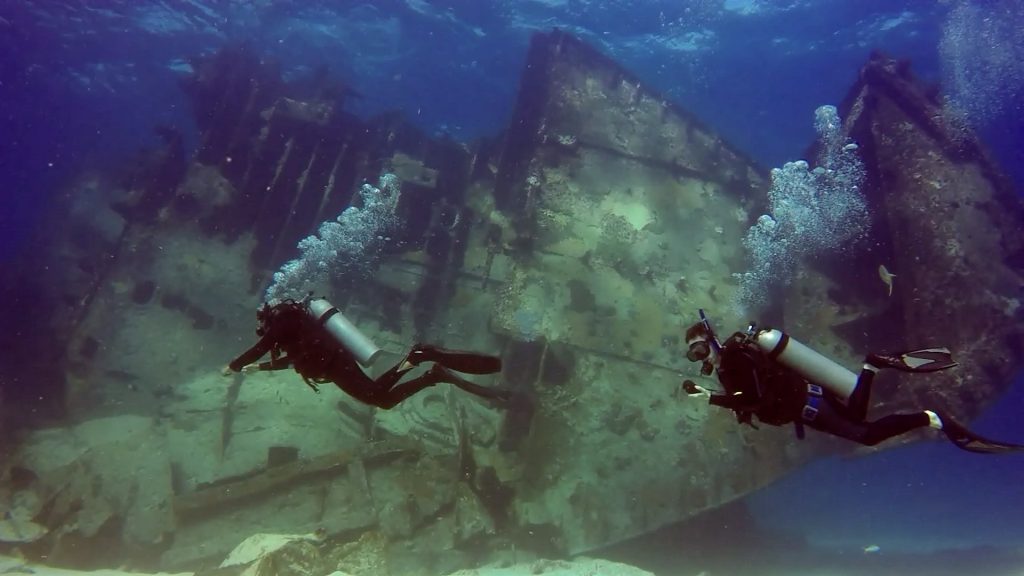
Astron Wreck
A 120-meter Russian freighter that ran aground in 1978, lying in shallow water suitable for various skill levels.
Visit during calm sea conditions to observe the rusted hull structure.
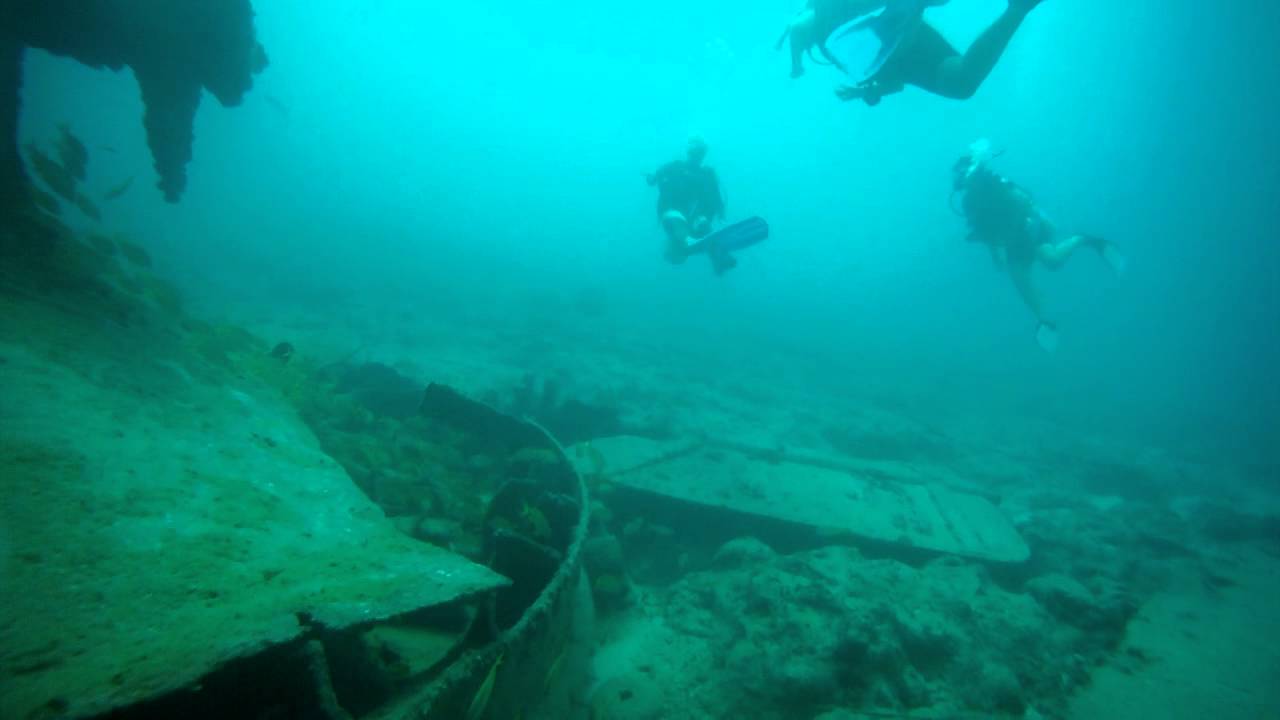
Monica Wreck
An older freighter wreck resting in approximately 10 meters of water, now serving as an artificial reef home to corals and sponges.
Bring an underwater camera to capture the coral-encrusted machinery.
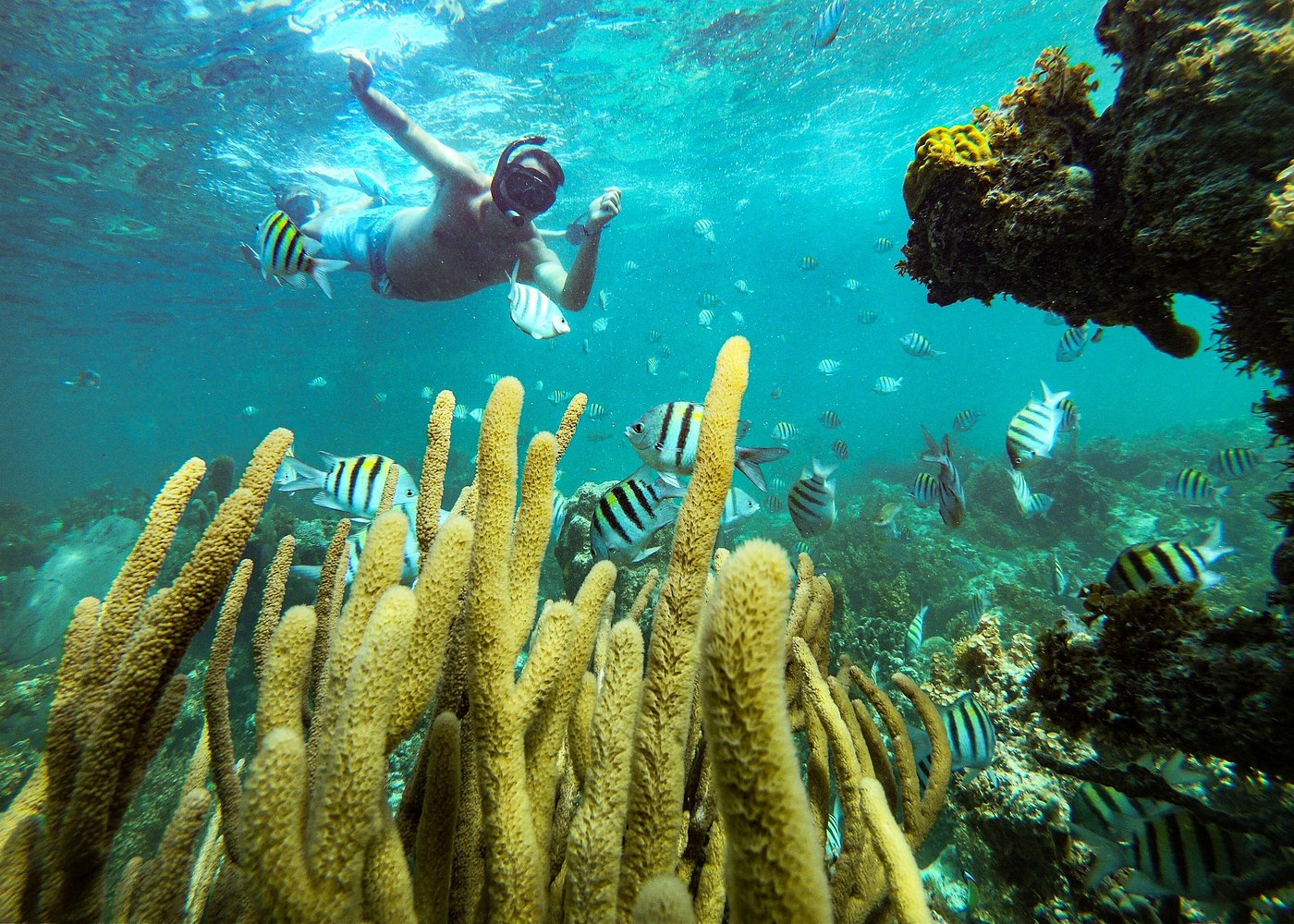
El Acuario
A protected coral reef site characterized by high biodiversity and shallow depths, ideal for observing reef fish and crustaceans.
Look under coral ledges to spot spiny lobsters and moray eels.
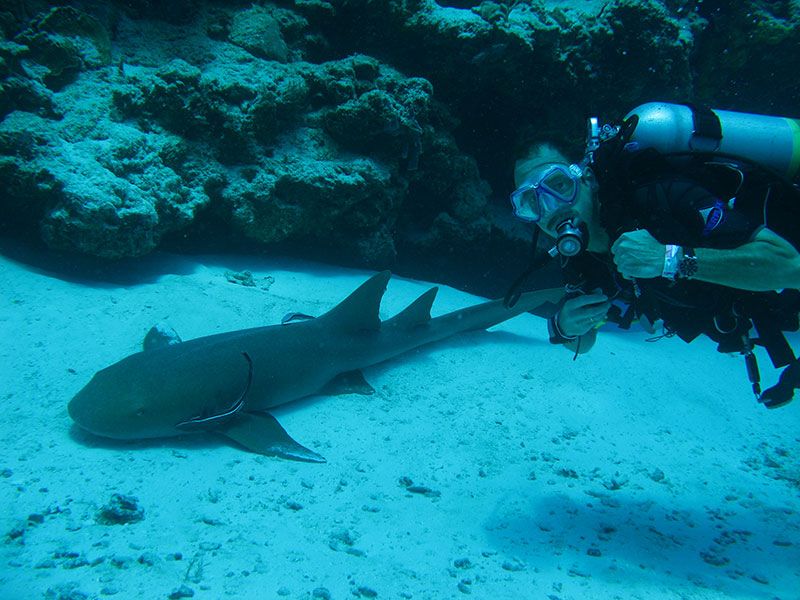
Punta Cana Shark Point
A specialized site often used for encounters with nurse sharks and occasionally Caribbean reef sharks in their natural habitat.
Maintain a steady position near the bottom to observe shark behavior.
Best Time of Day and Year for Punta Cana Diving Sites
The period from April to June and September to November offers the most favorable conditions for diving in Punta Cana, balancing calm seas with excellent water clarity. Planning dives during the morning hours consistently yields the highest visibility and most stable maritime conditions.
December to March
High tourist volumeDry season, 26°C to 28°C
Expect mild air temperatures and consistent trade winds that occasionally create surface chop.
April to June
Moderate tourist volumeWarm, 27°C to 29°C
These months provide excellent visibility and calmer sea states before the peak of the hurricane season.
July to October
Lower tourist volumeWarm and humid, 28°C to 31°C
Sea conditions remain generally favorable, though it is the Atlantic hurricane season, requiring attention to weather forecasts.
Weekday mornings
Minimal site traffic—
Morning departures ensure the best visibility and prioritize calmer sea conditions for boat dives before afternoon wind patterns develop.
Verdict: The best diving conditions occur on weekday mornings during the months of April, May, or October.
Accessing Punta Cana Diving Sites from the Coast
Diving sites in Punta Cana are primarily accessed via boat departures from Bavaro Beach and Cabeza de Toro. These coastal points serve as the main hubs for reaching offshore reefs and dive locations.
Direct transfer to Bavaro Beach or Cabeza de Toro
Drive via Highway 105 to coastal access points
Departure from local marinas to dive sites
Operating Hours for Punta Cana Diving Sites
Diving operations in Punta Cana follow a consistent daily schedule to accommodate various sea conditions. These hours apply to logistics at Bavaro Beach and Cabeza de Toro.
| Monday | 08:30–17:00 | |
|---|---|---|
| Tuesday | 08:30–17:00 | |
| Wednesday | 08:30–17:00 | |
| Thursday | 08:30–17:00 | |
| Friday | 08:30–17:00 | |
| Saturday | 08:30–17:00 | |
| Sunday | 08:30–17:00 |
Pre-Visit Checklist for Punta Cana Diving Sites
Diving in Punta Cana requires advance planning for certifications, bookings, and gear.
-
Confirm PADI or SSI certification status — Most operators require Open Water certification or higher for boat dives.
-
Book your dive excursion in advance — Morning departures (08:30–12:00) offer the best visibility and sea conditions.
-
Verify medical clearance if required — Some operators request a dive medical form for guests with pre-existing conditions.
-
Pack or arrange wetsuit and gear rental — Water temperature averages 26–29°C; operators provide equipment but confirm sizes ahead.
-
Bring your certification card and logbook — Dive masters will check credentials before allowing participation in excursions.
-
Carry waterproof identification and cash — You'll need ID for check-in and cash for tips or incidental fees at dive shops.
Check availability
Frequently asked questions about punta cana diving sites
Everything you need to know about punta cana diving sites