3 hr
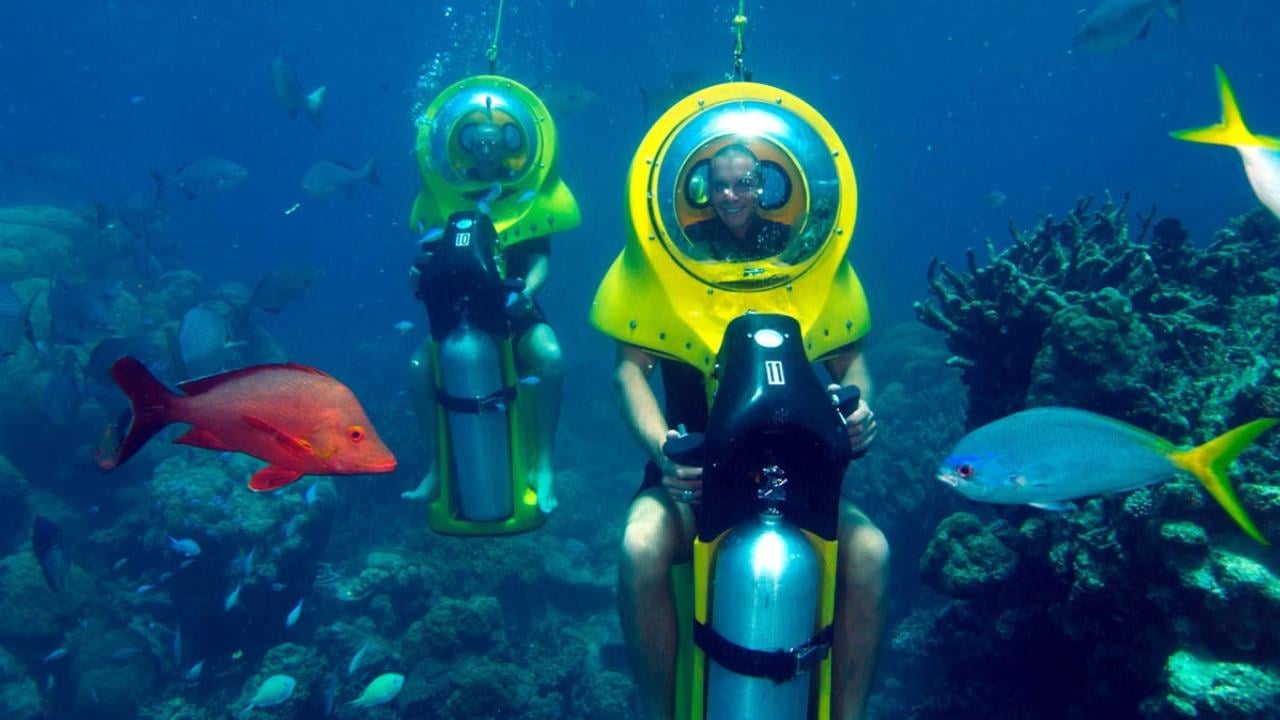
Scuba Doo Underwater Scooter Adventure
- Entry ticket
- Mobile voucher
- Valid same day
- Free cancellation
Punta Cana Diving Excursions — Caribbean Reefs & Beginner Dives
Coral walls and submerged wrecks, reached in under thirty minutes from shore
Compare fares, pick the fit — all bookings are mobile-voucher and eligible for free cancellation where shown.
3 hr
3 hr 30 min
4 hr
Selecting the right package for punta cana diving excursions depends primarily on your certification status and interest in specialized underwater sites. These offerings bundle local logistics and equipment into professional dive outings.
| Discover Scuba Beginner Experience |
Top pick Certified 2-Tank Dive Standard Exploration |
Island Excursion Advanced/Catalina | |
|---|---|---|---|
| Experience Required | No | Yes | Yes |
| Max Depth | 10-12 meters | 18 meters | 30+ meters |
| Gear Rental | Included | Included | Included |
| Boat Access | Included | Included | Included |
| Best for | First-timers | Recreational divers | Depth enthusiasts |
| See tickets & prices |
Verdict: Beginners should book a discover scuba session, while certified divers will find more value in standard reef tours or Catalina island diving excursions.
Worth it for reef enthusiasts and beginners
Punta Cana diving excursions bundle equipment, boat transport, and certified instruction into packages that typically run $70–120 per person, eliminating the need to source gear or navigate unfamiliar Caribbean reefs independently. The beginner scuba diving adventure in Bávaro targets first-timers with shallow-water training and a guided reef tour, while the Scuba Doo underwater scooter offers a no-certification alternative for families. Without standalone access to the best dive sites—located 20–40 minutes offshore by boat—independent attempts are impractical. The value math favors these punta cana diving excursions tours because they include all safety gear, DAN insurance coverage, and bilingual dive masters who know current conditions at sites like Marinarium and Catalina Island. Coral gardens, nurse sharks, and stingrays populate these protected zones, though visibility drops during September's occasional rain. For travelers seeking underwater exploration without the logistics of renting tanks or hiring private charters, the bundled model delivers better value than piecing together components separately.
Bottom line: The bundled punta cana diving excursions tickets eliminate logistical barriers and deliver safer, more cost-effective reef access than assembling the components yourself.
They complement each other; most visitors who do both call diving more physically engaging while the cruise provides a more relaxing Caribbean marine environment experience. These punta cana diving excursions tours contrast sharply with the leisurely pace of an island day trip.
|
Top pick Diving Excursions |
Saona Island Cruise | |
|---|---|---|
| Primary activity | Underwater scuba exploration | Social catamaran sailing |
| Skill level required | Certification or introductory lesson | No skill required |
| Water interaction | Submerged aquatic exploration | Swimming and wading |
| Typical duration | 3–4 hours | 7–9 hours |
| Best for | Marine life enthusiasts | Group social leisure |
| Equipment focus | Regulators and buoyancy vests | Sunscreen and snorkeling gear |
| See tickets & prices |
Verdict: Choose the punta cana diving excursions tour if you want active exploration of reefs, whereas the catamaran cruise is superior for social relaxation and coastal sightseeing with punta cana diving excursions tickets offering a more intensive connection to the deep ocean.
Hand-picked experiences loved by thousands of travelers
8 hours
Free Cancellation
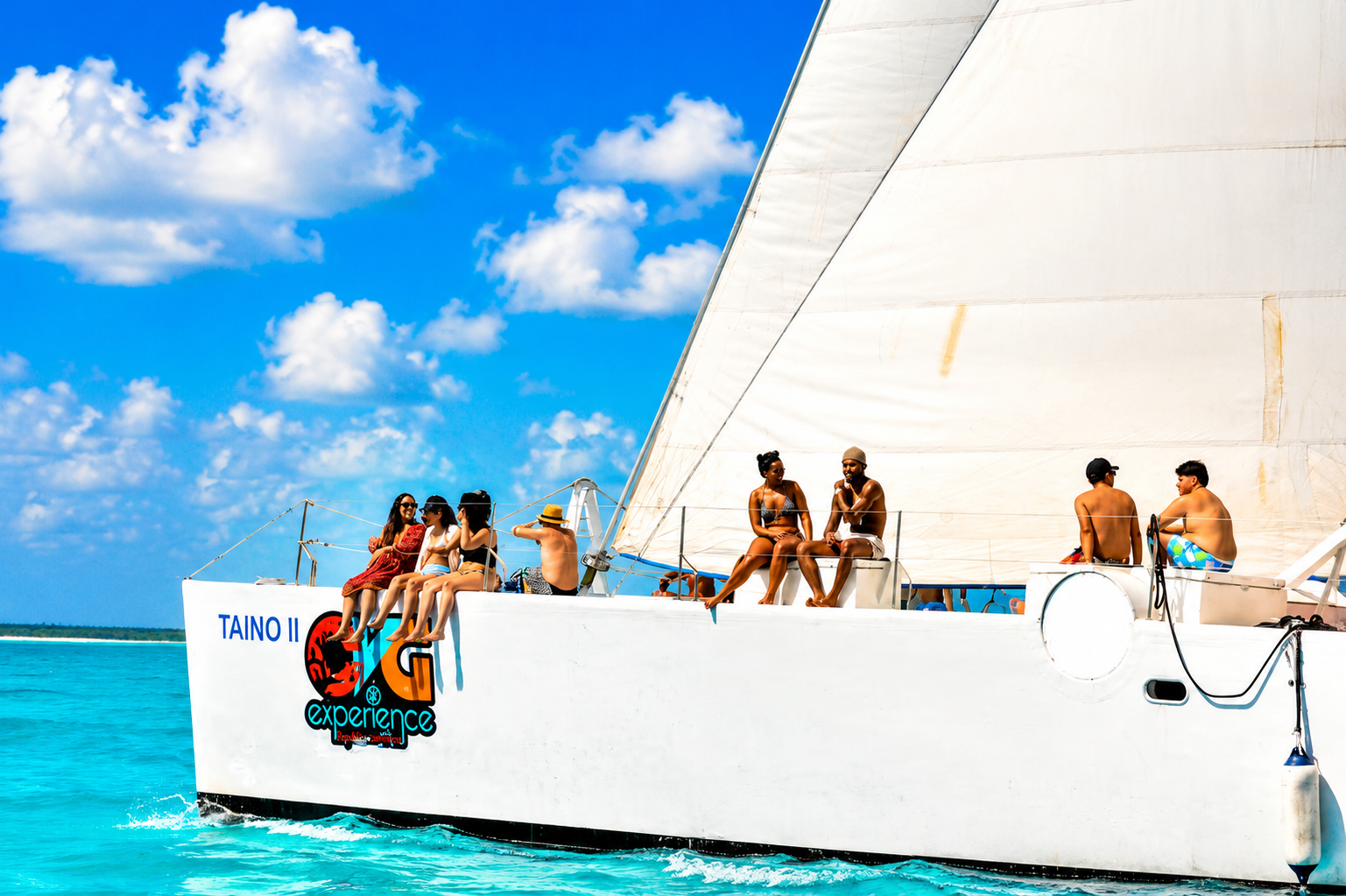
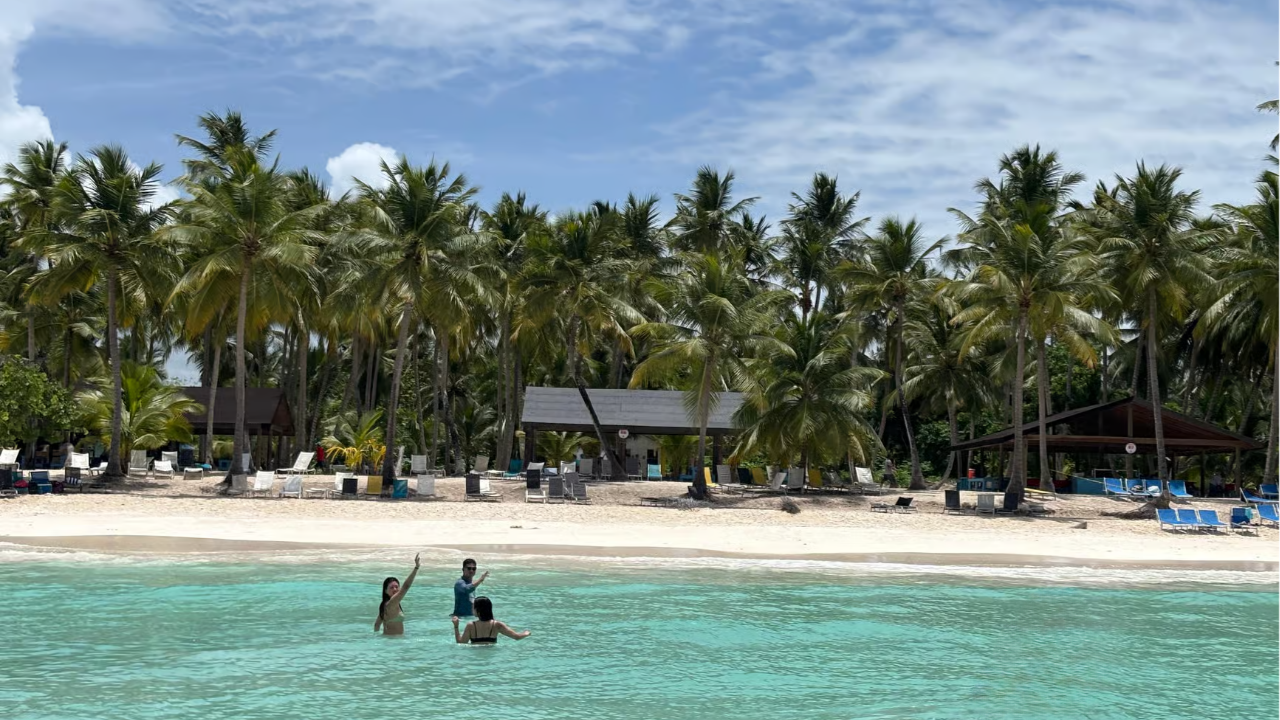
Cruise to a Caribbean paradise aboard a speedboat and catamaran, with swimming, beach time, and Dominican buffet
8 hours 30 minutes
Free Cancellation
Sail to a Caribbean paradise with beach time, crystal-clear swimming, local lunch, and open bar fun
5 to 5.5 hours
Free Cancellation
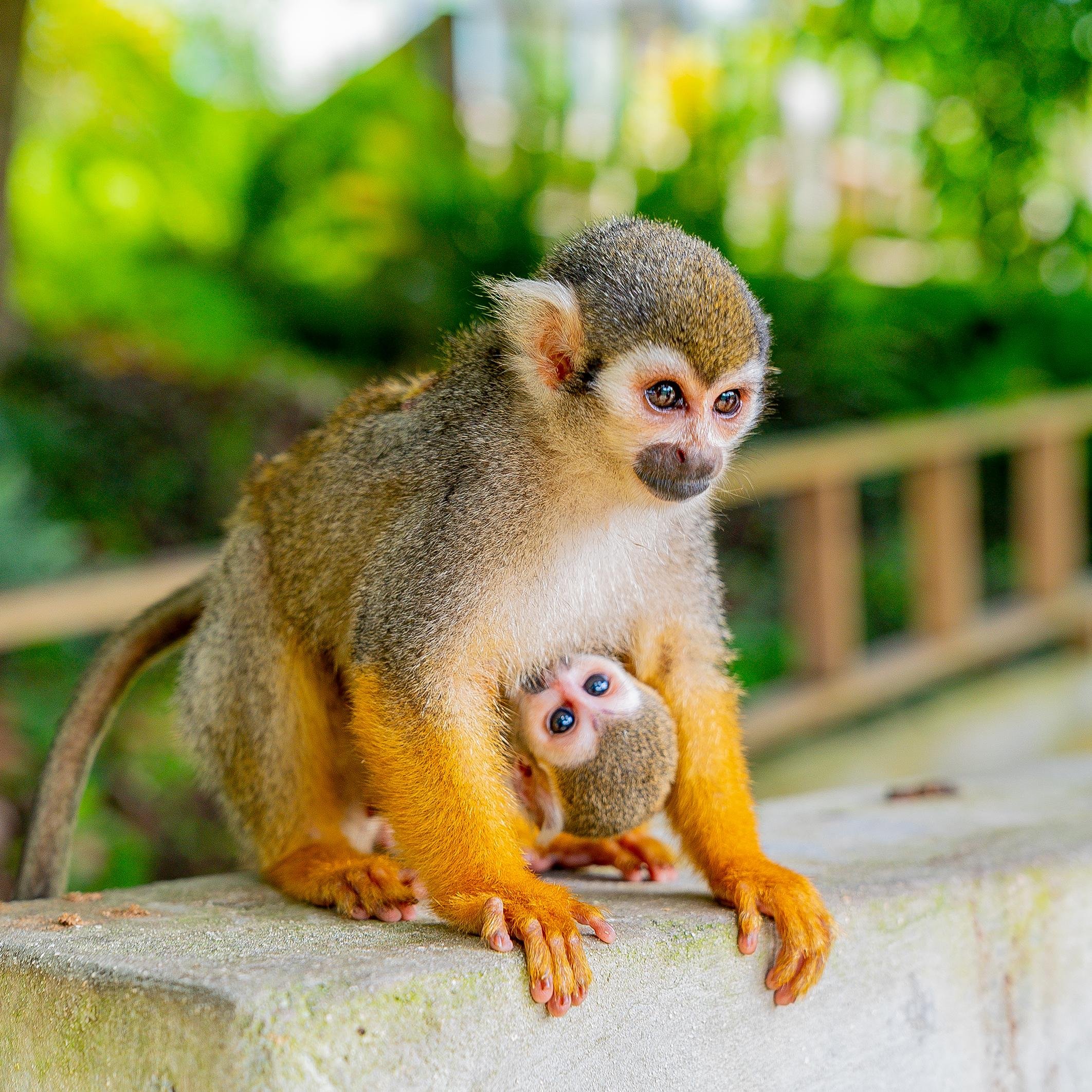
Meet playful squirrel monkeys in their natural habitat and discover traditional Caribbean flavors
3 hours
Free Cancellation
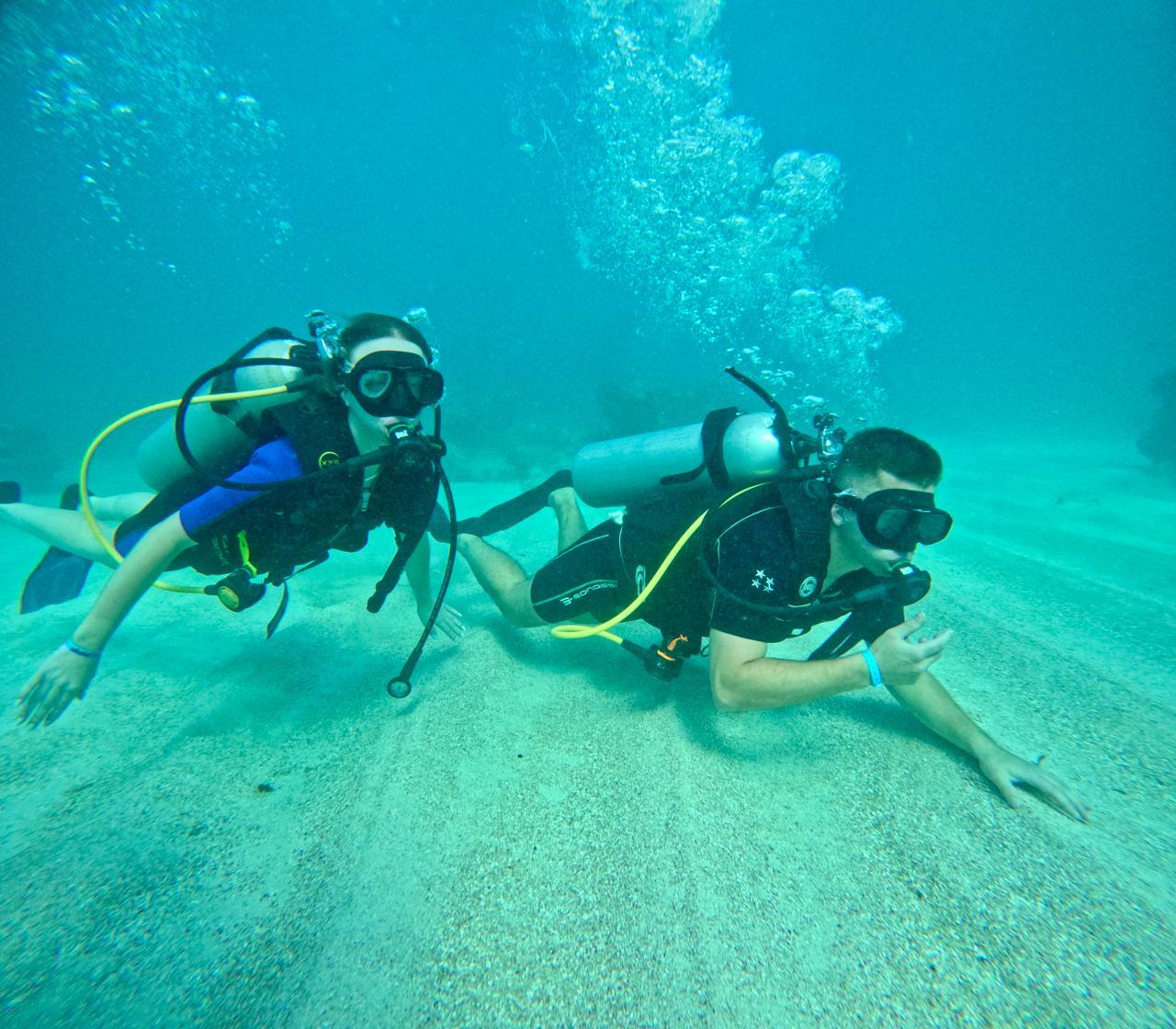
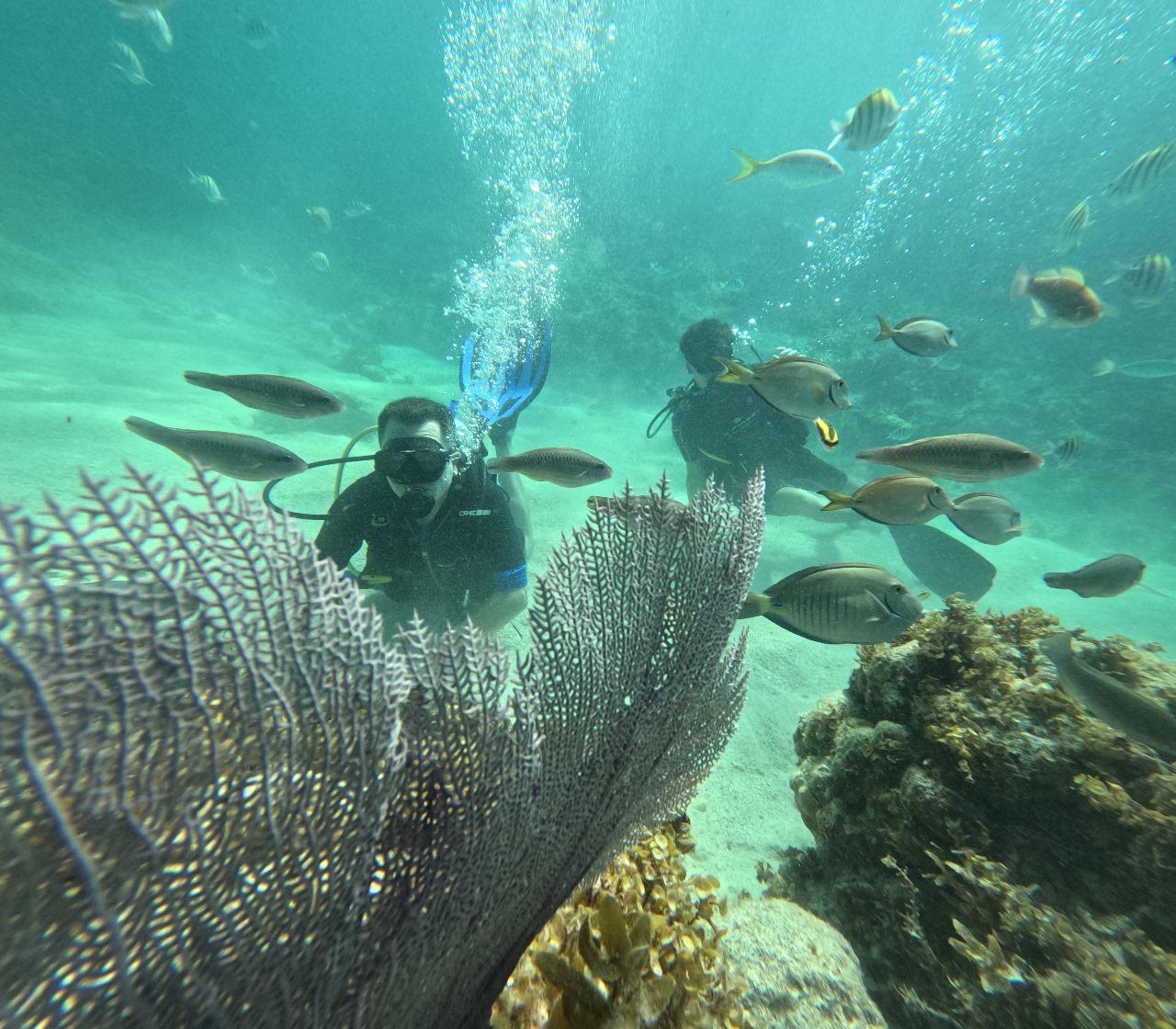
Explore underwater reefs with an instructor, perfect for first-time divers seeking tropical adventure
3 hours
Free Cancellation
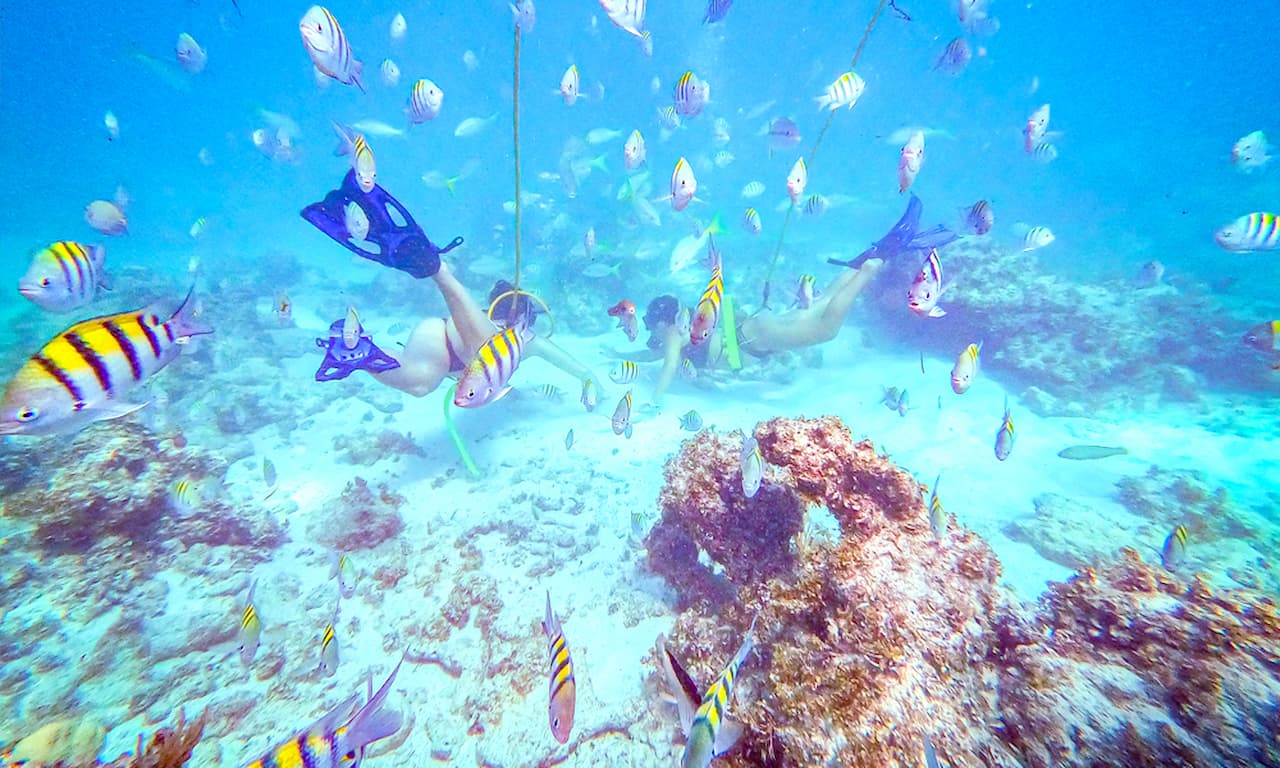
Explore coral reefs and swim in natural pools with no dive certification needed—just jump in and go
5 hours
Free Cancellation
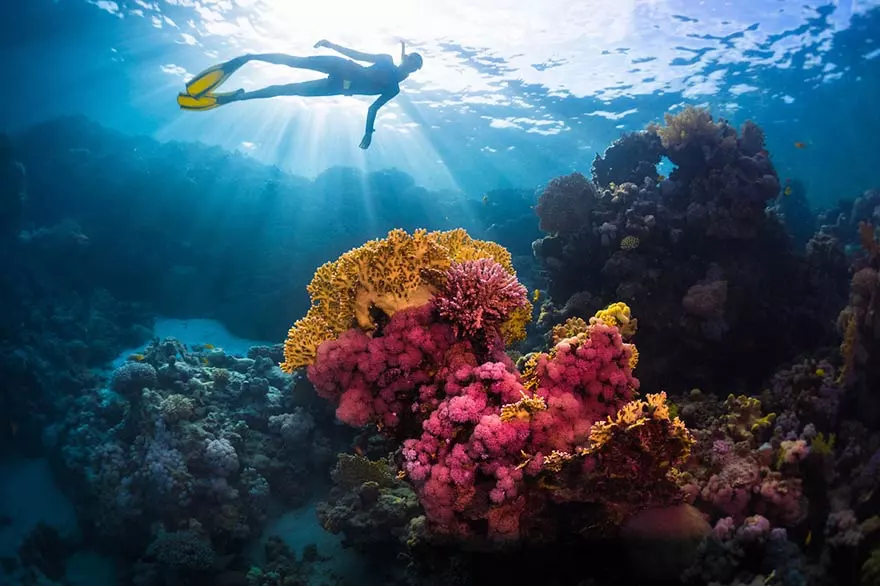
Dive into Caribbean coral gardens on a 5-hour excursion perfect for all skill levels
8 hours
Free Cancellation
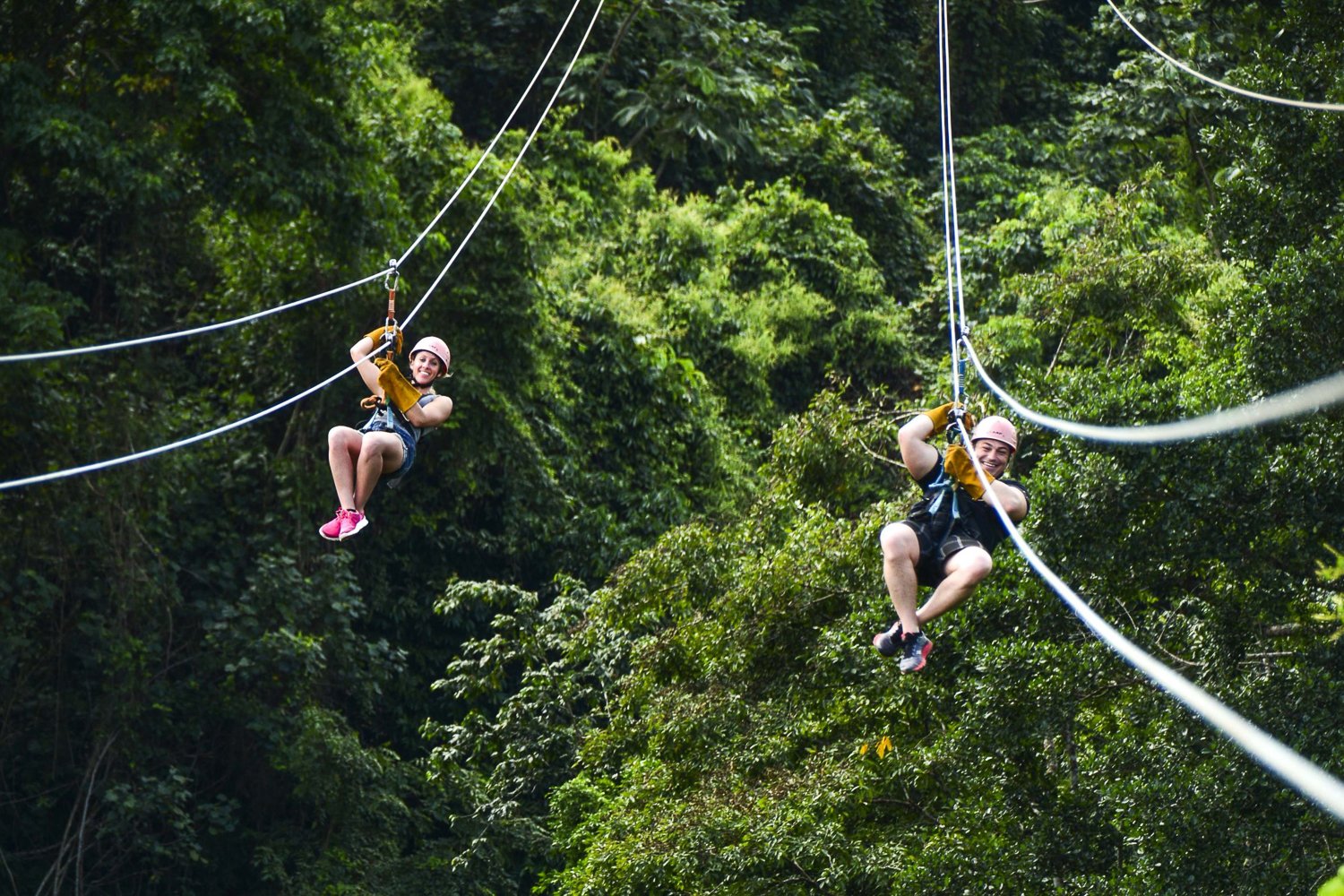
Soar through Caribbean mountains on 12 ziplines, meet squirrel monkeys, and discover coconut traditions
10 hours
Free Cancellation
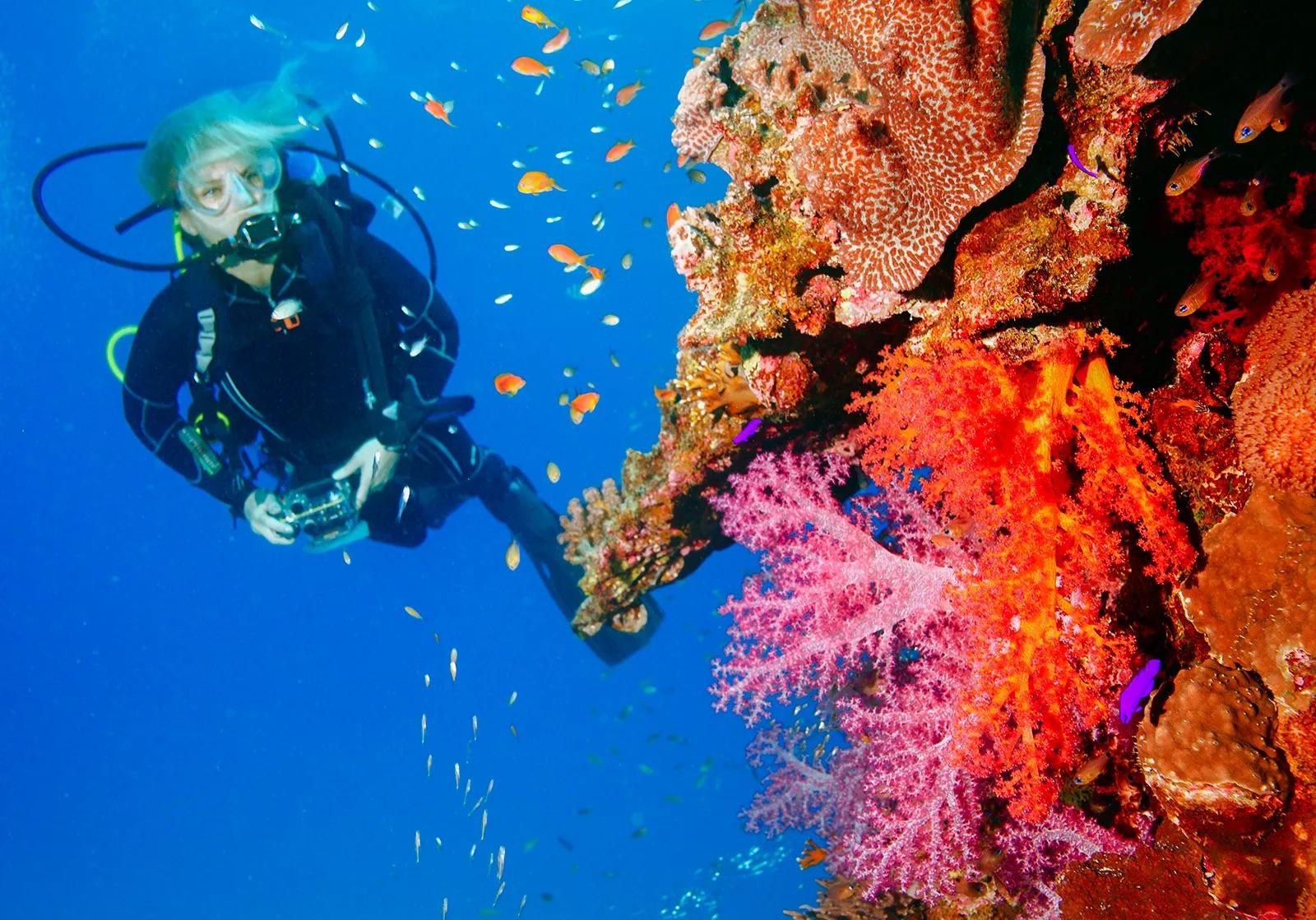
Discover underwater paradise with two guided dives at renowned coral sites, beach relaxation, and Dominican lunch
Arrival and equipment fitting at the dive center
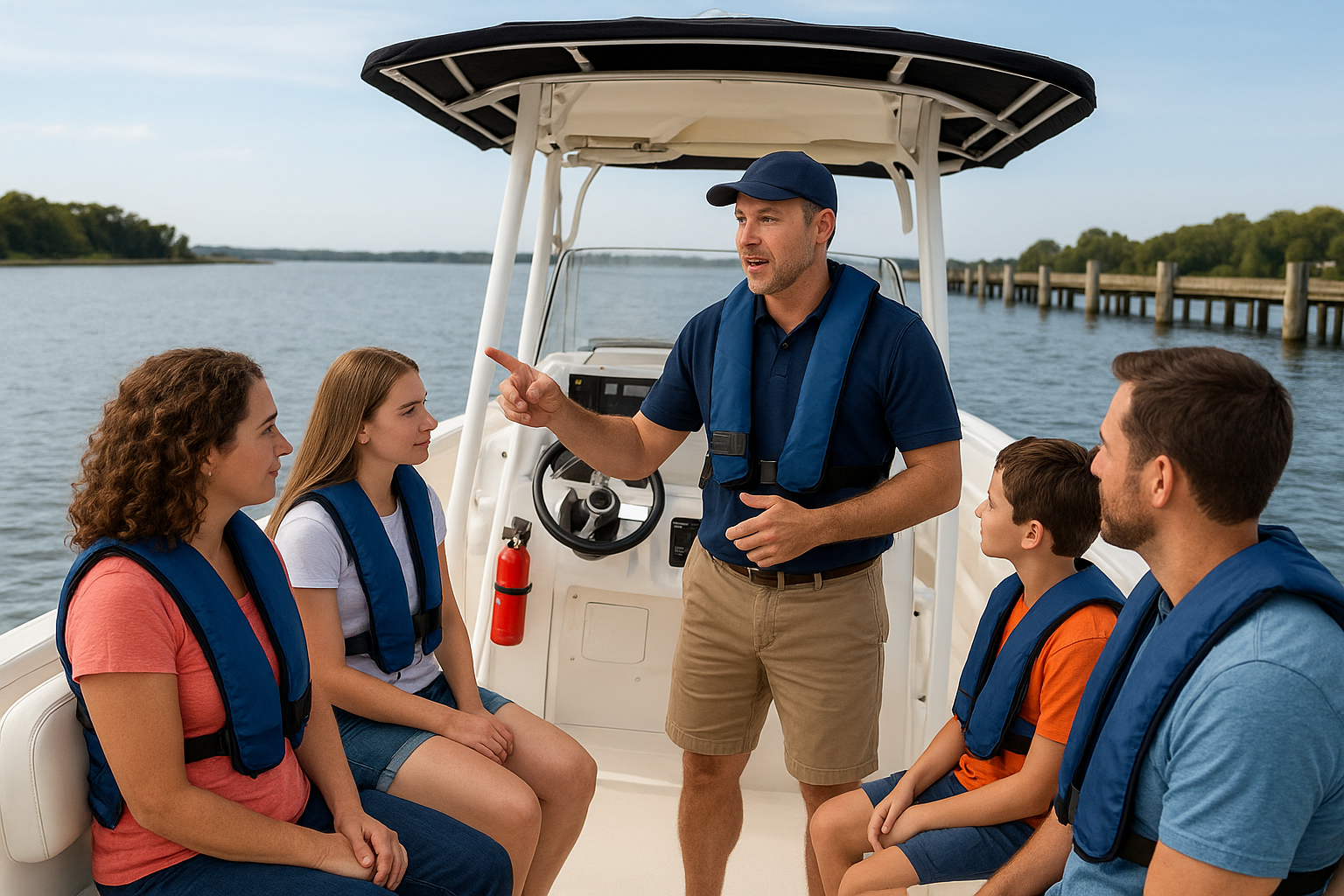
Instructions on gear usage and boat safety
Guided underwater tour of the reef
Rest time with refreshments and snacks
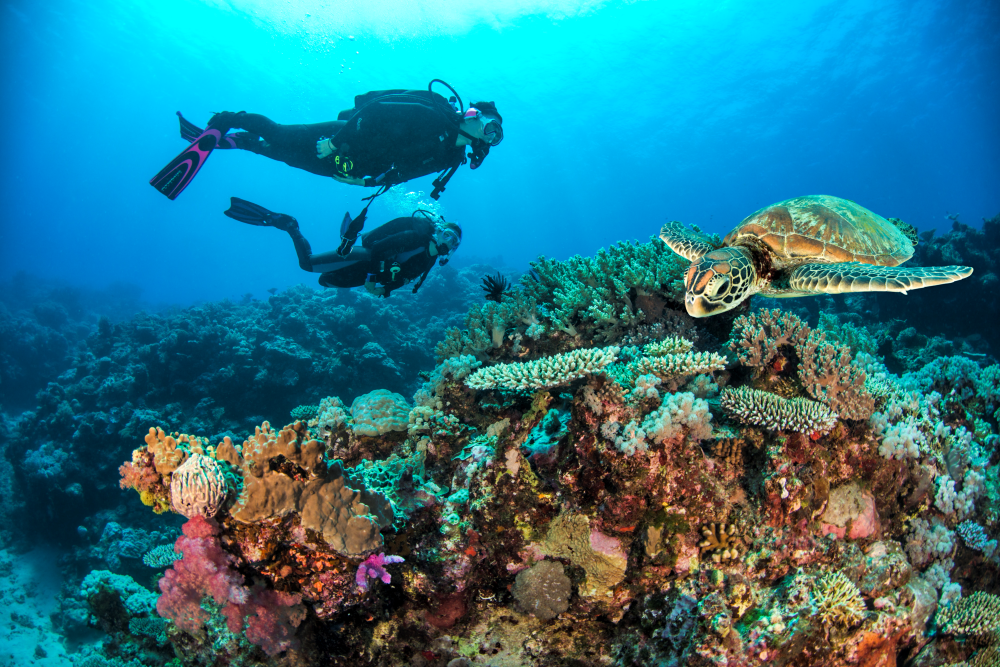
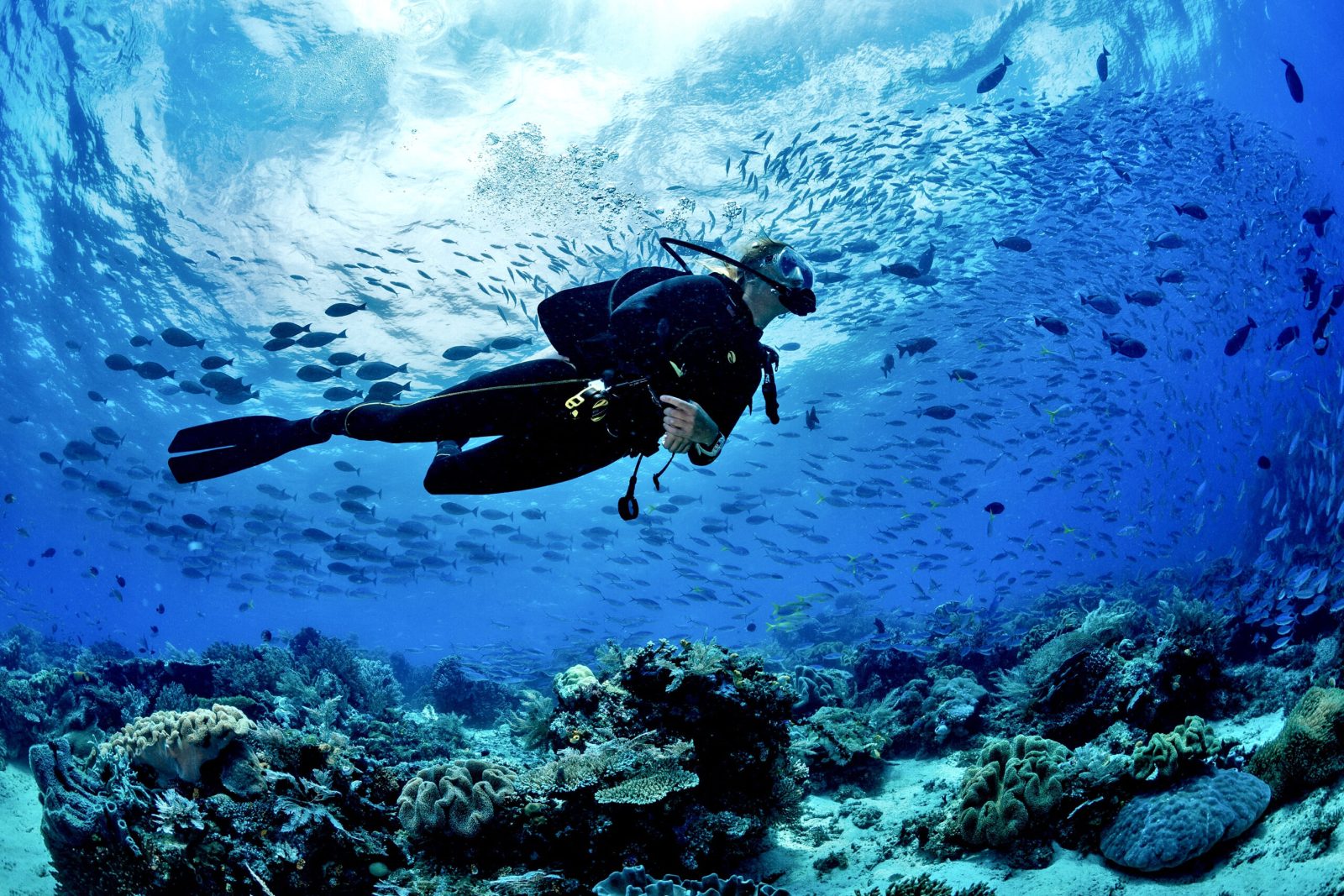
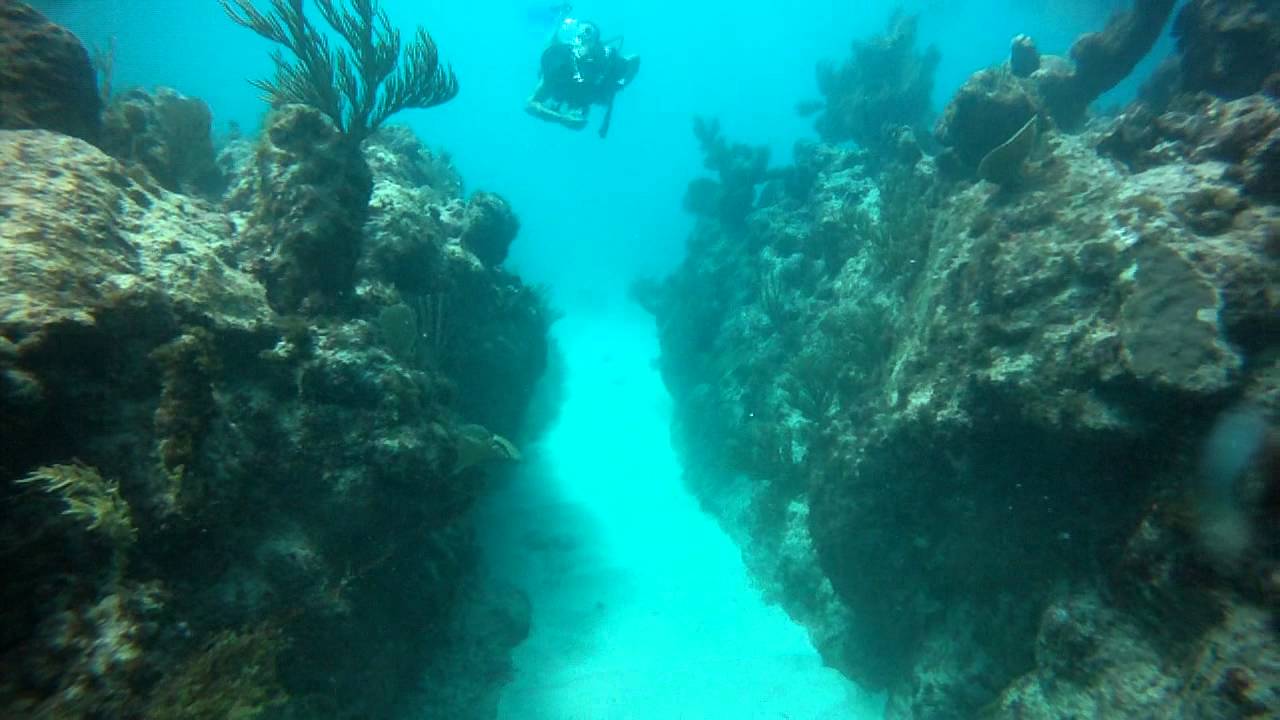
A shallow, vibrant reef system home to schools of tropical fish and rays. It is ideal for photographers and beginners on punta cana diving excursions.
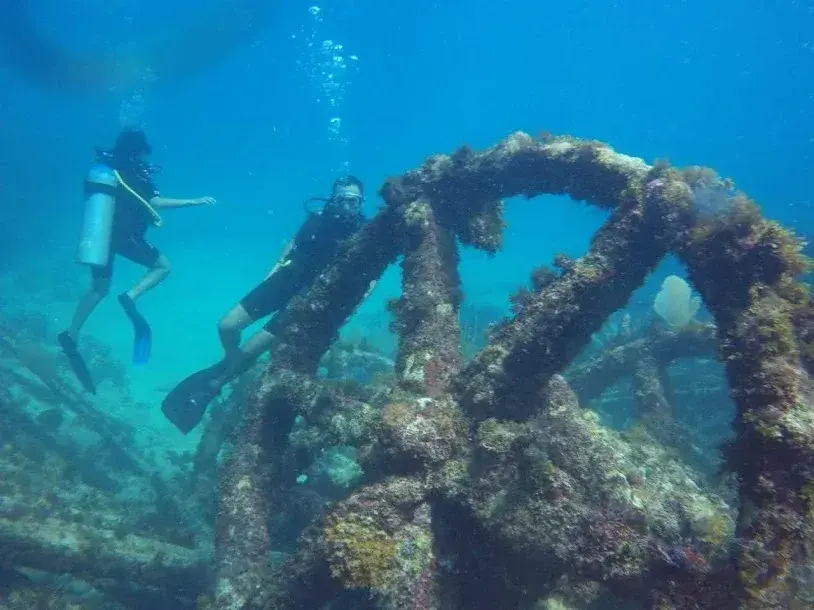
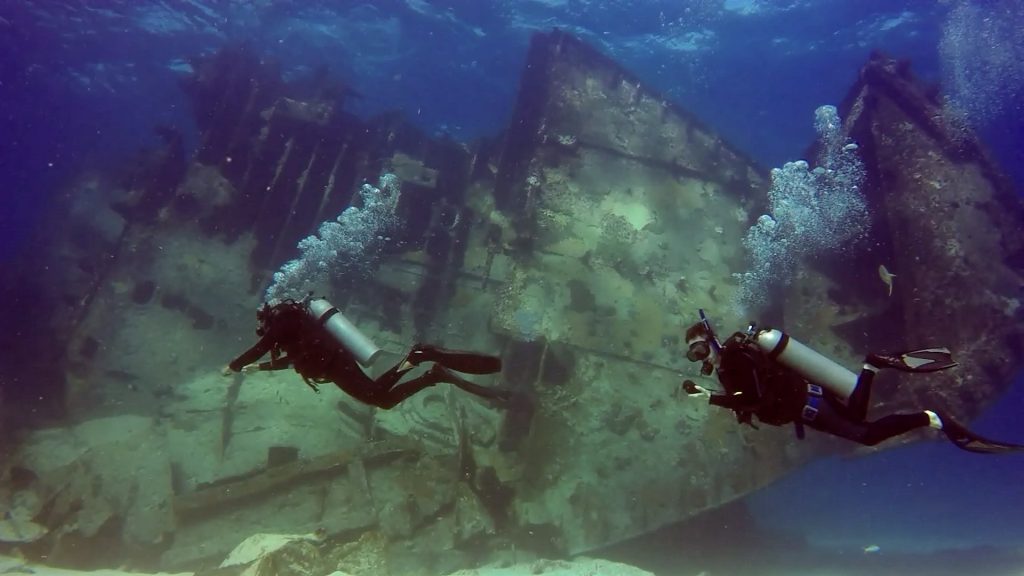
A well-preserved shipwreck located in the coastal waters that offers a thrilling underwater experience. Many punta cana diving excursions highlight this site for its historical interest.
A dramatic drop-off where the seabed plunges, attracting large pelagic species. Divers on punta cana diving excursions often spot sea turtles here.
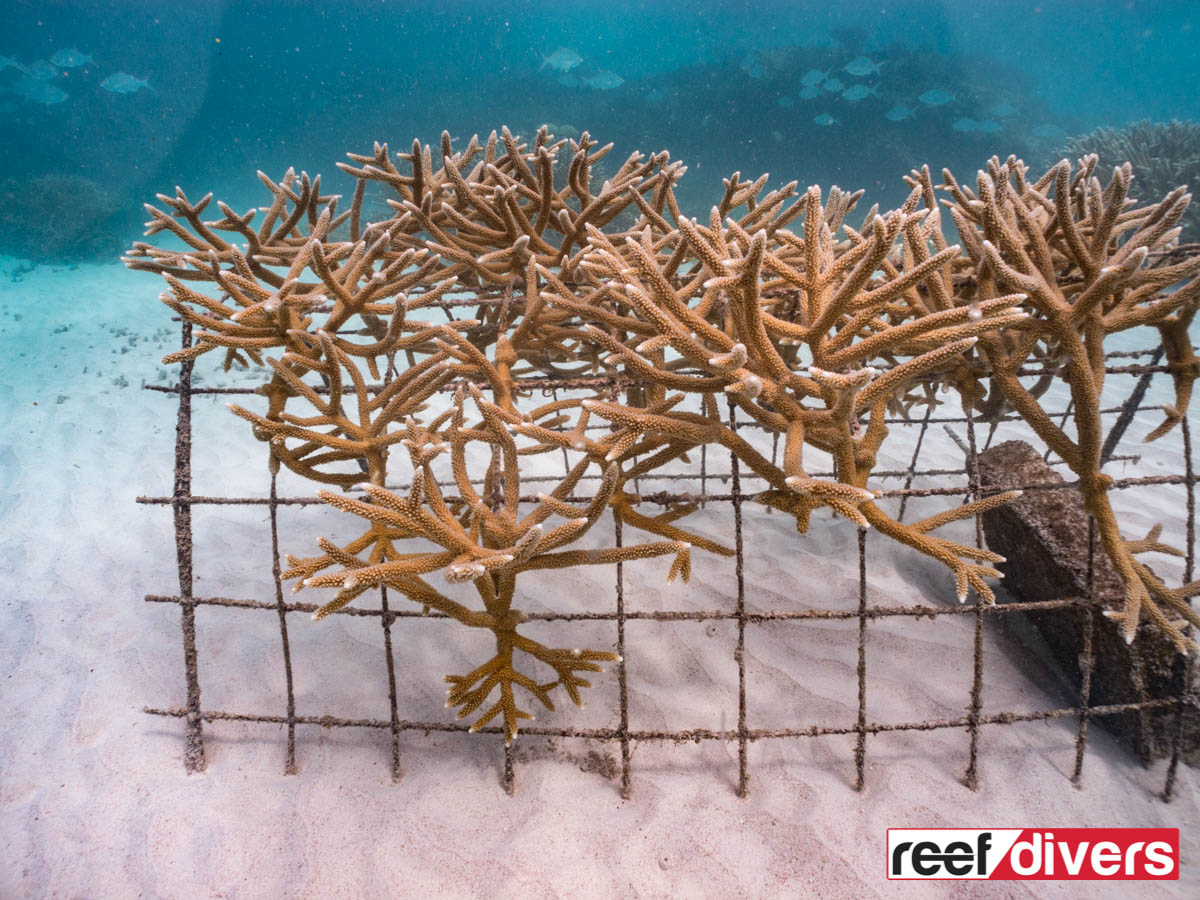
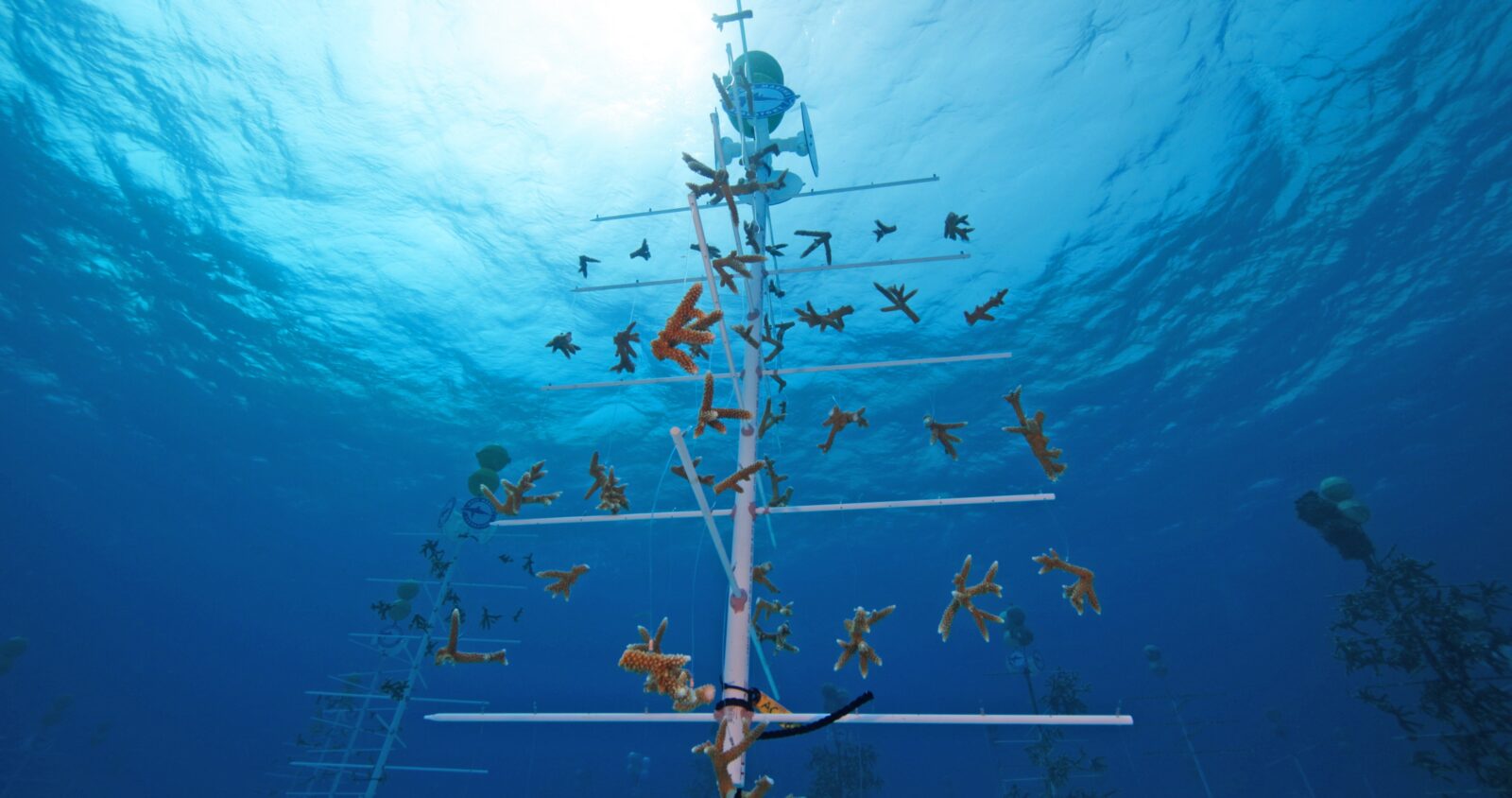
An ongoing conservation project where guests can learn about reef restoration efforts. It showcases the environmental focus of many punta cana diving excursions.
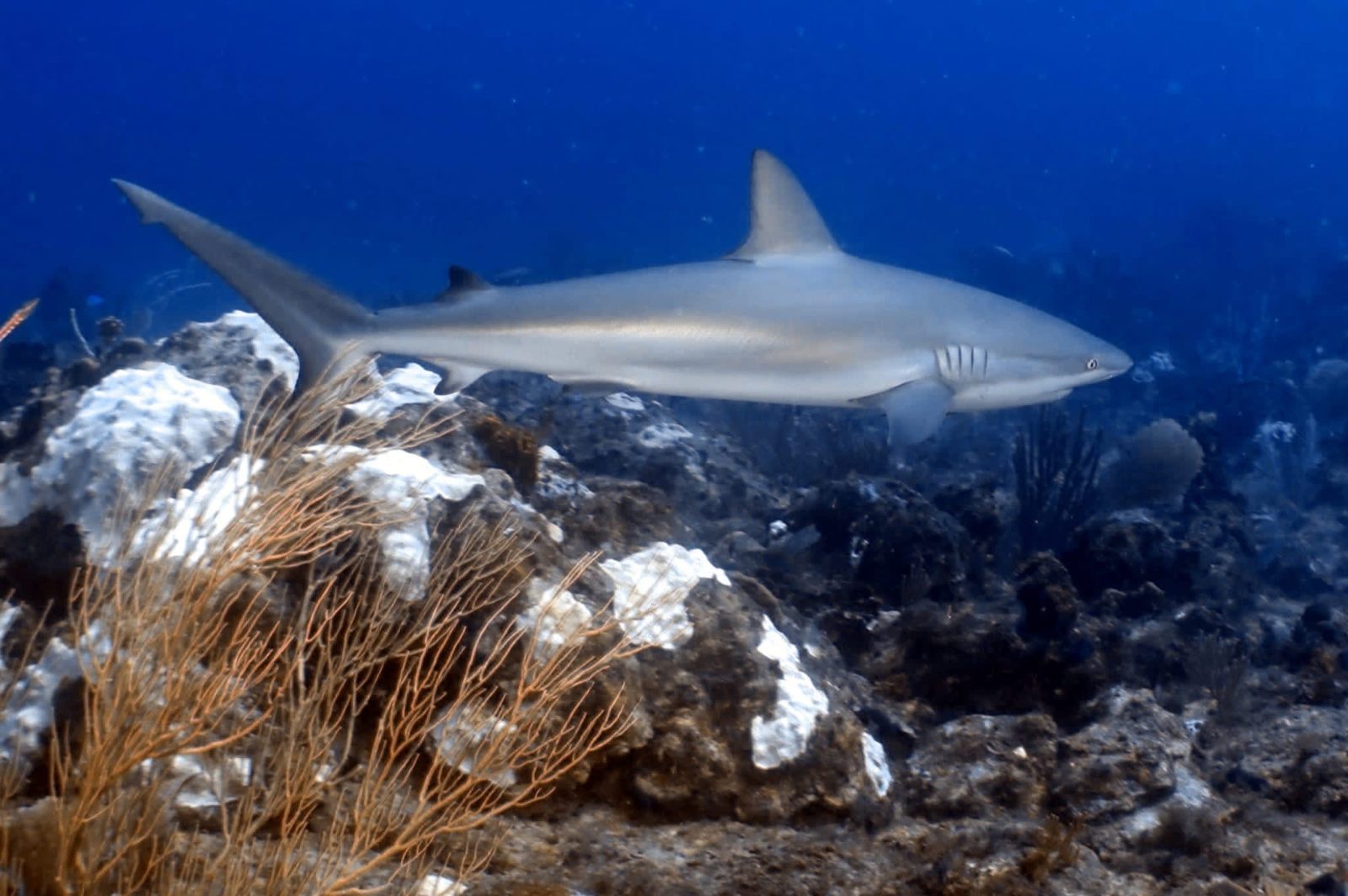
A deeper site known for frequent encounters with reef sharks and larger marine life. It is recommended for advanced participants of punta cana diving excursions.
You board a dive boat at Bávaro Marina shortly after eight, when the Caribbean surface still holds its morning glass. The captain throttles east, paralleling the reef line for eighteen minutes.
Gear checks happen underway—your instructor verifies regulator function, weight distribution, and mask seal while the coastline shrinks to a tan thread behind you.
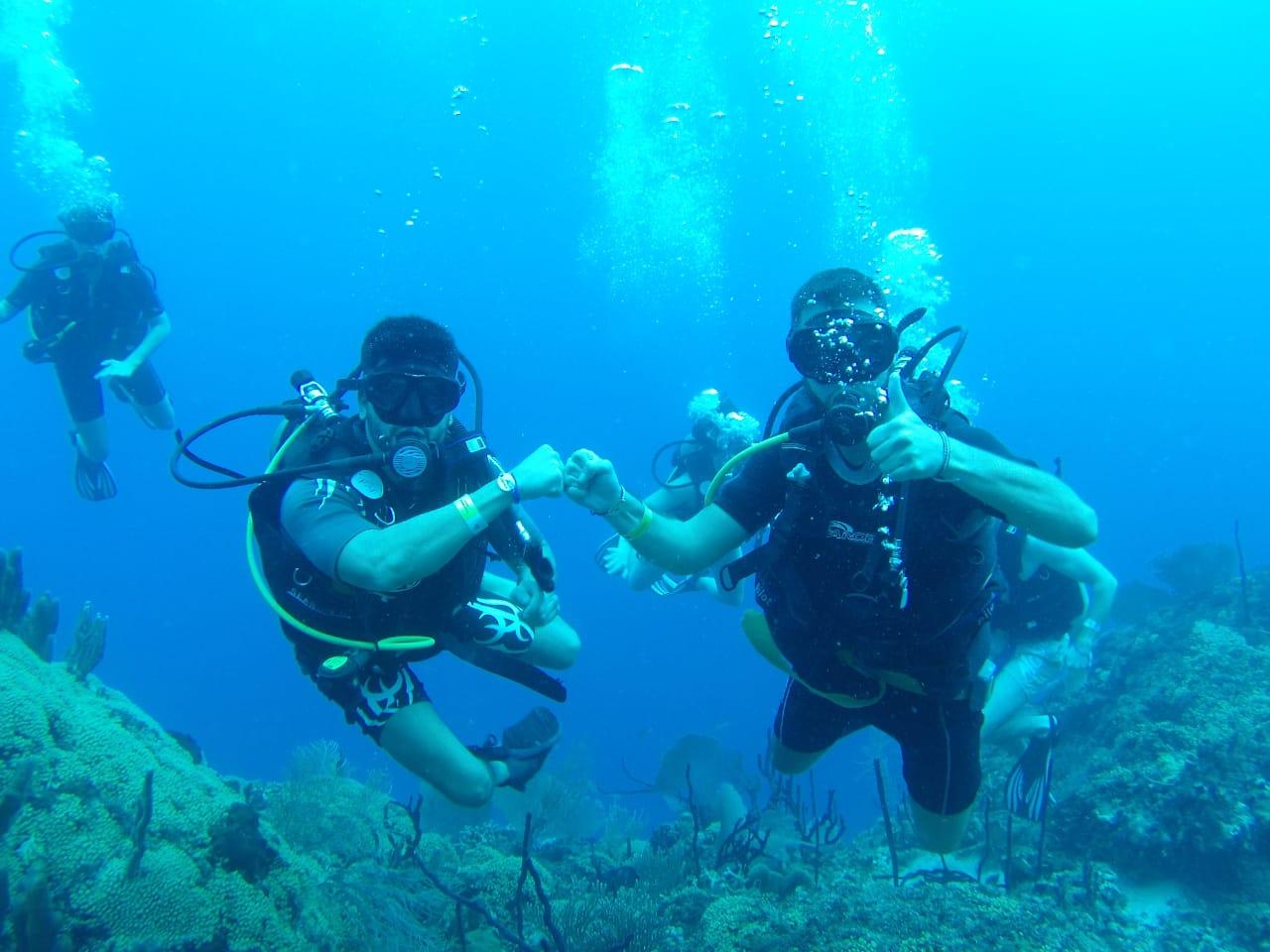
The anchor drops at a site marked only by GPS coordinates. You roll backward off the gunwale, descending a mooring line that disappears into blue-green shadow. At twelve meters, the limestone shelf materializes—brain coral heads the size of washing machines, elkhorn branches splayed like antlers, and purple sea fans swaying in the thermocline current. Your instructor signals toward a crevice where a spotted moray extends its jaw in rhythmic breathing.
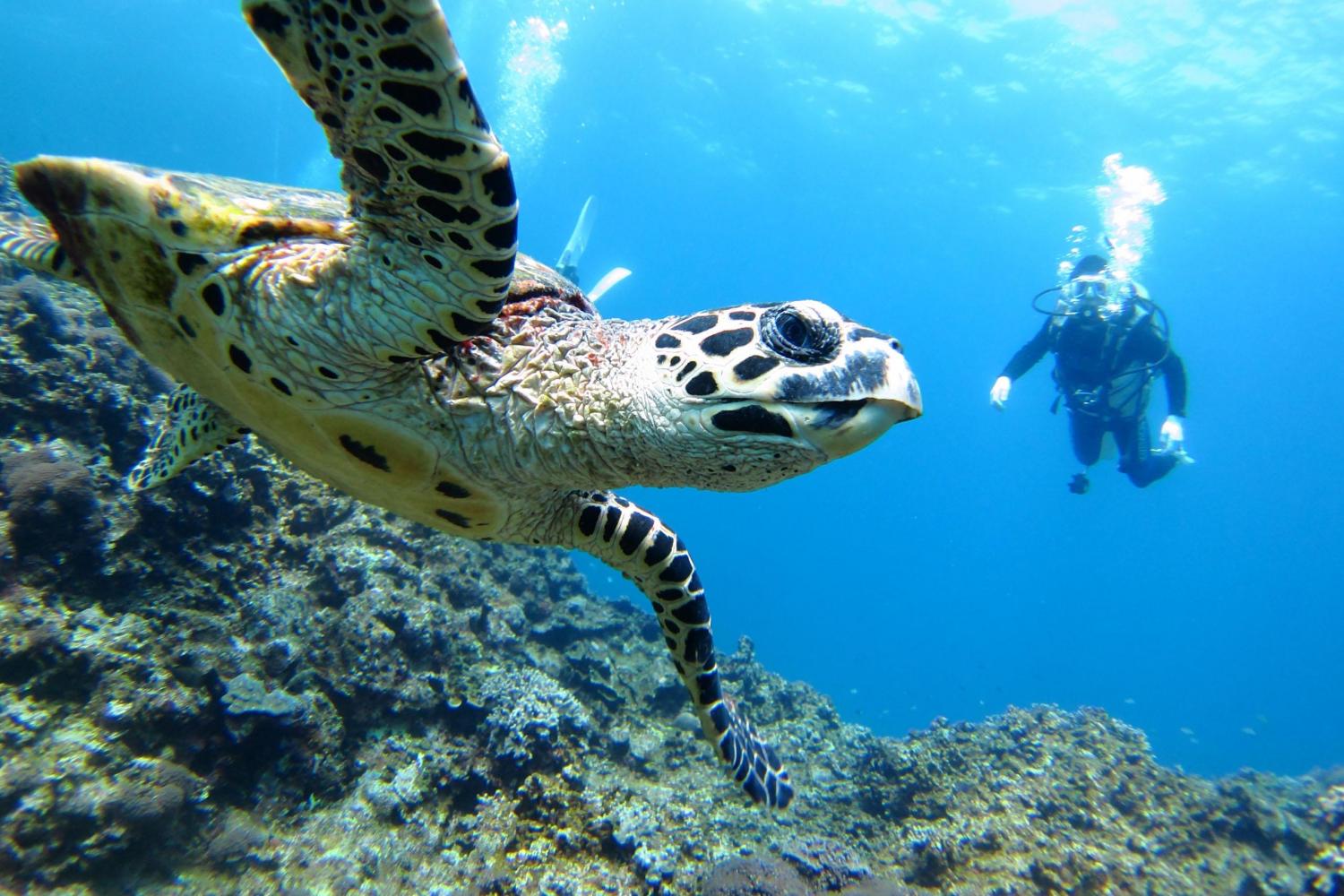
You follow the reef's contour south for twenty minutes, finning slowly to preserve air. A school of blue tang parts around you, then reconvenes. Near the turnaround point, the bottom drops away—a wall descending into opacity. You check your dive computer: sixteen meters, forty-two minutes of no-decompression time remaining. On the return traverse, a hawksbill turtle glides past, indifferent. The ascent is controlled, three minutes at five meters for the safety stop. Back aboard, you towel off under full sun, salt drying on your forearms as the boat turns back toward shore.
All the details about your upcoming adventure in one place
The Dominican Republic's eastern coastline shelters seventeen catalogued dive sites within a twenty-kilometer radius of Bávaro Beach, most lying between twelve and twenty-five meters below the surface.
Coral formations here took root on submerged limestone platforms that began forming during the last interglacial period, roughly 125,000 years ago. What makes Punta Cana diving excursions distinctive is not depth—recreational sites rarely exceed thirty meters—but the density of marine biodiversity concentrated in narrow shelf zones where Atlantic currents meet the Caribbean basin.
Three natural elements converge. Warm water temperatures hold steady between 26°C and 29°C year-round, encouraging soft coral polyp expansion and sponge colonization. Minimal riverine discharge preserves visibility, often exceeding twenty-five meters on calm mornings. The shelf edge drops abruptly two kilometers offshore, creating nutrient upwellings that sustain dense populations of sergeant majors, yellowtail snappers, and occasional pelagic visitors—barracuda, eagle rays, tarpon—during seasonal migrations. The Astron, a forty-meter freighter deliberately sunk in 1997, now functions as an artificial reef at eighteen meters' depth, its hull encrusted with fire coral and hosting resident moray eels.
Commercial dive operations emerged here in the late 1980s, trailing resort construction by less than a decade. Today's operators maintain PADI and SSI certification standards, with oxygen kits and radio contact aboard all vessels. The majority of excursions cater to novice divers—guests with fewer than ten logged dives or none at all. Shallow reef sites like Cueva de los Chiflidos and Cueva Taina sit between eight and twelve meters, offering sandy bottoms and minimal current. Instructors conduct initial pool sessions at resort facilities before open-water descents.
The underwater topography shifts character depending on departure point. Northern sites near Macao Beach feature elkhorn coral gardens and labyrinth-like swim-throughs carved by wave action over millennia. Southern zones near Cabeza de Toro lean toward vertical walls where black coral and gorgonian sea fans anchor to limestone faces. Dive windows align with tide cycles; slack water occurs twice daily, providing the cleanest visibility and calmest conditions for photography and species identification.

Seventeen catalogued dive sites lie within twenty kilometers, most resting between twelve and twenty-five meters below the surface.
Wear swimwear under comfortable, loose-fitting clothing suitable for a boat deck. Protect your skin with a rash guard or light cover-up during punta cana diving excursions.
Keep belongings minimal and water-resistant. Most operators provide dry bags, but it is best to leave valuables in your hotel safe before starting your punta cana diving excursions.
Underwater cameras are encouraged to document your punta cana diving excursions. Ensure your gear is secured with a wrist lanyard to prevent loss in the Caribbean Sea.
Children must meet minimum age and swimming proficiency requirements set by the dive center. Punta cana diving excursions tours often offer snorkeling alternatives for younger family members.
Many boats used for punta cana diving excursions have limited mobility access. Contact the specific tour operator regarding ramp availability and staff assistance for guests with physical disabilities.
Hydration is critical during punta cana diving excursions; drink plenty of water between dives. Operators typically provide light snacks and refreshments on board.
Opening Hours
08:00–17:00 daily
Address
Bávaro, Punta Cana, La Altagracia, Dominican Republic
Accessibility
Varies by vessel; inquire regarding mobility aid capacity
Best Arrival
08:00–10:00 for optimal visibility
Storage
Limited secure storage available at dive centers
Region
Bávaro coastal zone
Taxi · Varies · Moderate
Most resorts provide direct transfer services to local dive centers.
Car · 40 min from airport · Low
Follow main coastal roads toward the Bávaro district; parking is available near major dive hubs.
Full refunds are typically provided for cancellations made at least 24 hours in advance. No standalone entrance fee of 0 USD applies, as all costs are bundled into your chosen excursion package.
Recommended time
Half a day
For those participating in punta cana diving excursions, planning for a half-day session ensures ample time for gear fitting and transit to coral reefs. Arriving between 08:00–10:00 is essential, as morning departures offer the best visibility and calmest sea conditions for diving. You can secure your punta cana diving excursions tours in advance to streamline the registration process at the Bávaro facility. Whether you book punta cana diving excursions tickets for a morning boat launch or a customized punta cana diving excursions tour, early arrival consistently avoids the peak congestion of afternoon aquatic activities.
Crowd levels through the day
Weather · crowds · average price — dots go green to amber to red as each metric rises.
March to May offers stable temperatures and clear waters. This is an excellent window for booking your punta cana diving excursions.
June to August brings warmer water temperatures. Be aware that this period occasionally sees increased seaweed presence on shorelines.
September to November can feature occasional rain showers, but morning excursions still benefit from calm seas.
December to February is popular for international travelers. Expect slightly cooler temperatures and busier dive sites.
Reserve your punta cana diving excursions at least a week ahead during peak season. This ensures you secure the desired dive time and vessel availability.
Always follow local marine park rules to protect the reef. Guides provide essential info on current safety standards for punta cana diving excursions.
Verify local sea conditions before heading out. Morning departures from 08:00–10:00 remain the most consistent choice for punta cana diving excursions.
Protect marine ecosystems by using chemical-free sun care products. This helps maintain the health of reefs visited during punta cana diving excursions.
Bring a reusable water bottle. Consistent water intake is necessary while engaging in strenuous punta cana diving excursions.
Recreational diving arrived in Punta Cana decades after the Dominican Republic's tourism boom began in the 1970s, when European charter operators first recognized the eastern coastline's potential. Early resort development along Bávaro Beach prioritized sun-and-sand packages, leaving underwater exploration to a handful of independent operators who ferried guests to offshore reefs in repurposed fishing boats. The establishment of marine protected zones in the late 1980s—specifically the designation of reef corridors off Cabeza de Toro and the Marinarium sanctuary near Cabo Engaño—provided the regulatory framework that transformed ad-hoc boat trips into the structured punta cana diving excursions industry operating today. By the mid-1990s, PADI-certified dive shops opened within major all-inclusive properties, standardizing safety protocols and introducing shallow-water SCUBA discovery programs for novice tourists. Hurricane Georges struck in September 1998, temporarily halting operations and exposing infrastructure weaknesses; the recovery period spurred investment in purpose-built dive centers with equipment lockers, rinse stations, and dedicated dock facilities. The 2000s brought specialization: wreck dives to the Monica and Astron, semi-submersible excursions blending observation with snorkeling, and certification courses bundled into week-long resort stays. Coastal development pressures intensified alongside growth, prompting the Dominican Ministry of Environment to expand no-anchor zones in 2011 and mandate mooring buoys at high-traffic sites like El Niño reef. Shark-feeding excursions launched in 2014 near Catalina Island drew both demand and controversy over wildlife behavior modification. The COVID-19 pandemic shuttered dive operators from March through July 2020; reopening protocols introduced capacity limits and pre-dive health screenings that many outfitters retained. As of September 2026, punta cana diving excursions tours operate from a network of licensed centers along the Bávaro-Uvero Alto corridor, with two-tank morning dives, shallow coral gardens for beginners, and seasonal whale-shark encounters forming the commercial backbone of an industry that now certifies over fifteen thousand divers annually.
Marine protected zones established off Cabeza de Toro and Cabo Engaño, formalizing reef access.
PADI-certified dive shops open within all-inclusive resorts, standardizing training and equipment.
Hurricane Georges damages coastal infrastructure; recovery drives purpose-built dive center construction.
Ministry of Environment expands no-anchor zones and mandates mooring buoys at high-traffic dive sites.
Shark-feeding excursions begin near Catalina Island, sparking debate over wildlife impact.
COVID-19 pandemic halts operations; reopening introduces capacity limits and health screenings.
Over fifteen thousand annual certifications issued; two-tank dives and whale-shark encounters anchor commercial offerings.
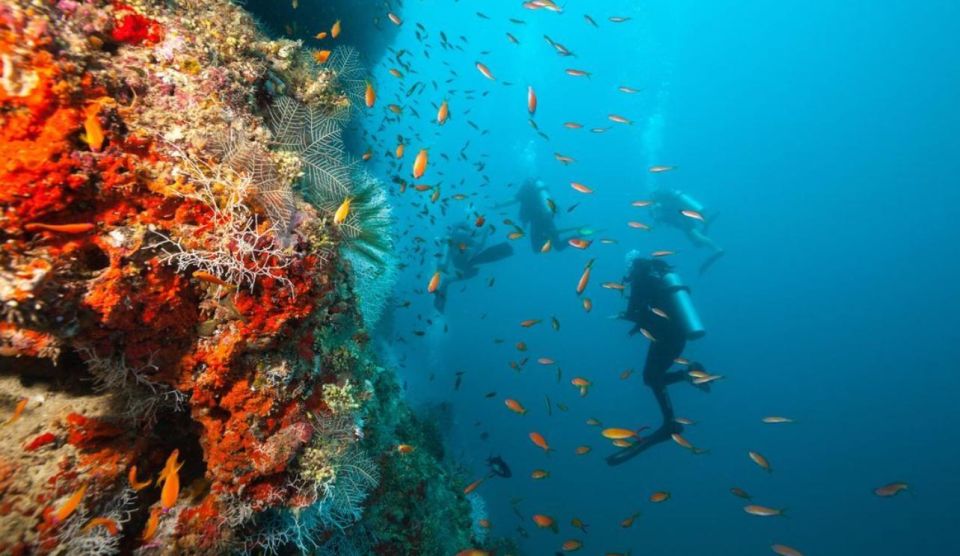
Stand at the stern of the boat to capture the contrast between the turquoise shallows and the deep blue drop-off. This is a common highlight during punta cana diving excursions where the light penetrates the water column clearly.
Position yourself near the rusted metallic remnants of the ship hull to frame the tropical fish swimming through the structure. This site requires precise buoyancy control for stable shots with these punta cana diving excursions tours.
Focus your lens on the organized structures of the coral restoration project to showcase marine conservation efforts. Accessing this location is typically included in professional punta cana diving excursions tickets.
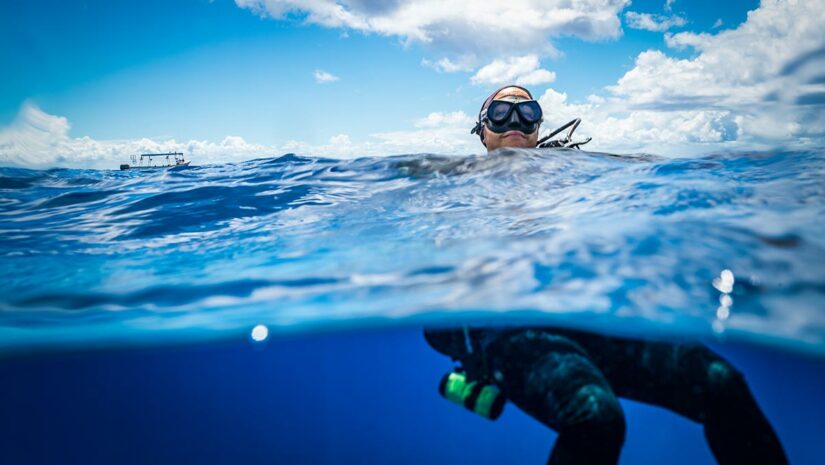
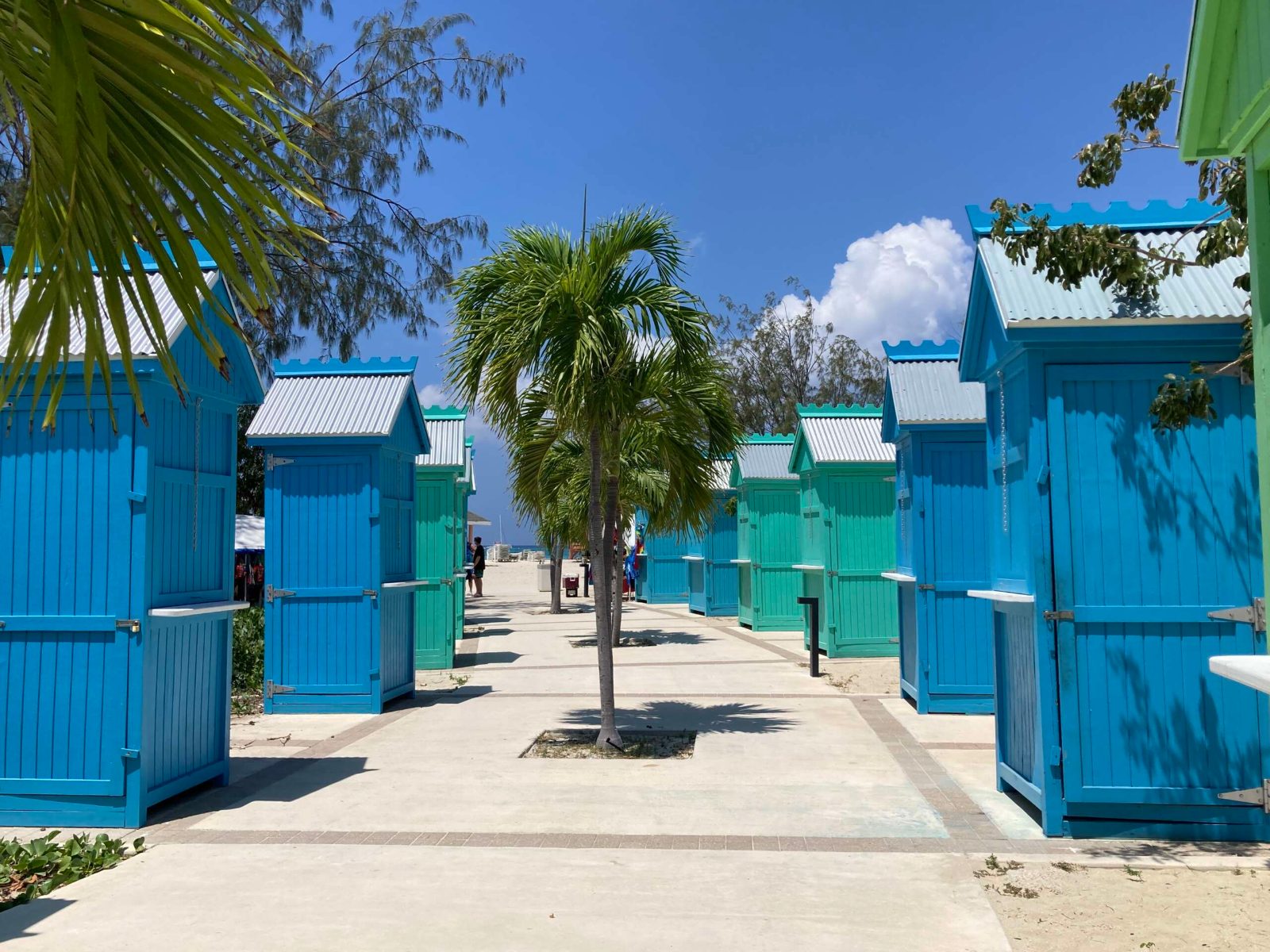
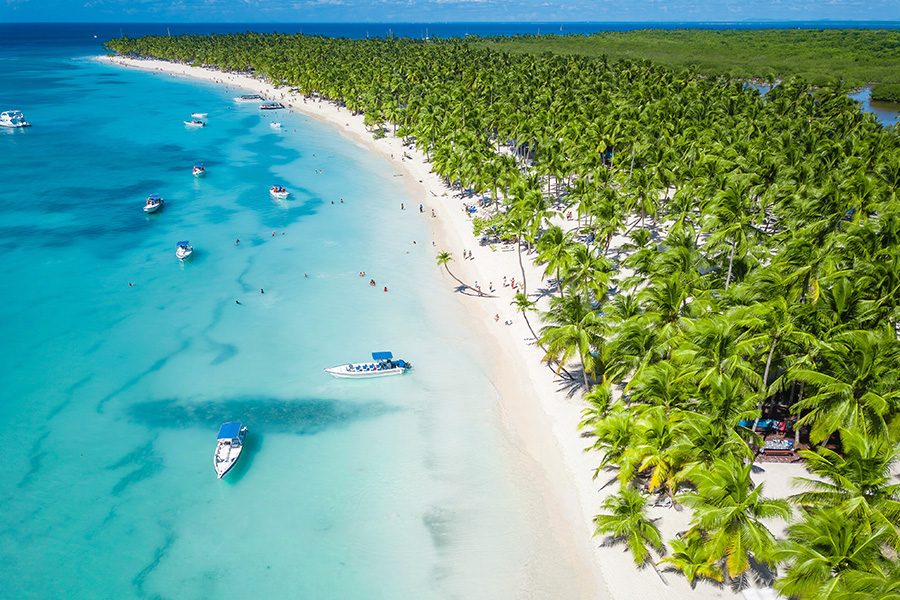
Capture the panoramic view of the shallow, crystal-clear water from the deck of the vessel before entering the sea. This remains a popular spot for surface photos during a standard punta cana diving excursions tour.
Exploring the underwater world through professional punta cana diving excursions offers families a unique way to connect with marine life in the Caribbean. Navigating these aquatic activities requires careful selection of operators that prioritize safety and comfort for younger participants.
Most local operators require children to be at least 10 years old for introductory scuba courses, while younger children may participate in shallow snorkeling punta cana diving excursions tours. Always confirm the minimum age and swimming proficiency prerequisites directly with your chosen dive shop before booking.
When booking your punta cana diving excursions tour, prioritize operators with smaller, stable vessels that offer shade and easy water entry for less experienced divers. High-quality life jackets and properly fitted equipment are essential, so verify that the provider maintains updated gear for all sizes.
There are no onsite facilities at the departure points, as the 0 USD entrance fee reflects that you are paying solely for the boat and guide services. Plan to use restrooms and changing areas at your hotel before arriving in Bávaro, Punta Cana, La Altagracia, Dominican Republic.
Aim to schedule your experience during the 08:00–10:00 arrival window to ensure calm sea conditions and clear visibility for the entire family. Securing your punta cana diving excursions tickets in advance allows for better coordination of family needs and transition times between water and land activities.
Most punta cana diving excursions offer convenient transport from your resort, meaning you can easily access local eateries afterward. While some full-day trips include a lunch buffet, most independent travelers prefer the casual, sandy-floored beach spots near the El Cortecito and Los Corales hubs after their tour concludes.
A versatile, popular spot in Los Corales perfect for a post-dive meal where you can sit comfortably with sandy feet.
Known for Louisiana-inspired cuisine including seafood gumbo and shrimp grits, making it a flavorful stop after your punta cana diving excursions tours.
An elevated beachside venue in Los Corales that provides a relaxed atmosphere for drinks and meals while overlooking the ocean following your punta cana diving excursions tour.
A casual, vibrant venue for authentic Mexican dishes that serves as a quick and reliable stop to redeem your punta cana diving excursions tickets for a satisfying lunch.
Everything you need to know for your journey
Punta cana diving excursions operate daily from 08:00–17:00. These hours apply throughout the week to ensure guests have consistent access to dive services.
No, there is no standalone entrance fee of 0 USD; all costs are bundled into the excursion packages. This keeps your punta cana diving excursions simple to budget.
The best arrival window is 08:00–10:00 to ensure calm sea conditions and optimal visibility for your diving trip. Following this advice enhances your experience during punta cana diving excursions.
Punta cana diving excursions may accommodate children depending on the specific activity and age requirements. Always check with the operator regarding snorkeling options for younger guests.
Yes, many guests prefer bringing their own mask and snorkel, though full rental gear is available for all punta cana diving excursions. Ensure your personal equipment is well-maintained.
Photography is welcome, provided you use secured waterproof gear. Capturing memories of the underwater world is a highlight of most punta cana diving excursions.
Cancellations made 24 hours in advance are typically eligible for a full refund. Please review your specific booking terms for your punta cana diving excursions.
Meeting points are primarily located within the Bávaro, Punta Cana district. You will receive specific directions upon confirming your punta cana diving excursions tickets.
Certification is required for scuba diving, but many operators offer 'discovery' programs for beginners. Check the requirements before booking your punta cana diving excursions.
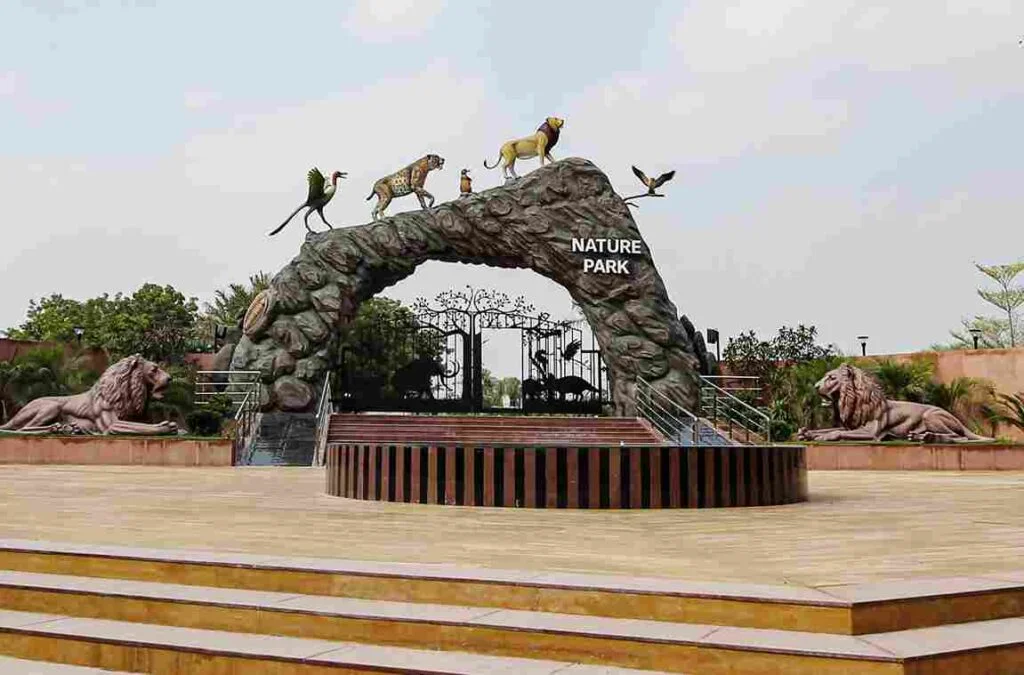
Features local flora and fauna exhibits.
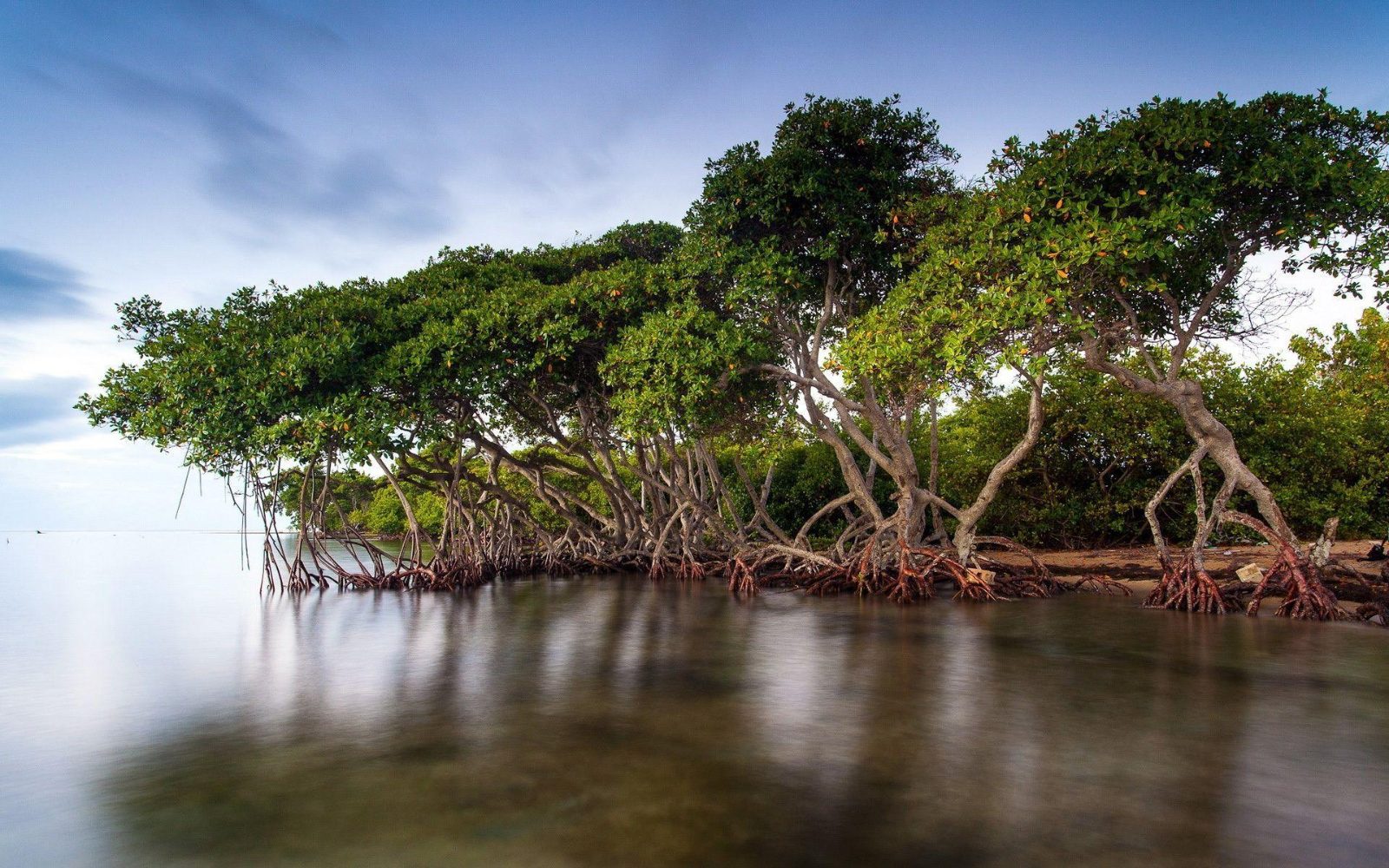
A protected mangrove area near the coast.
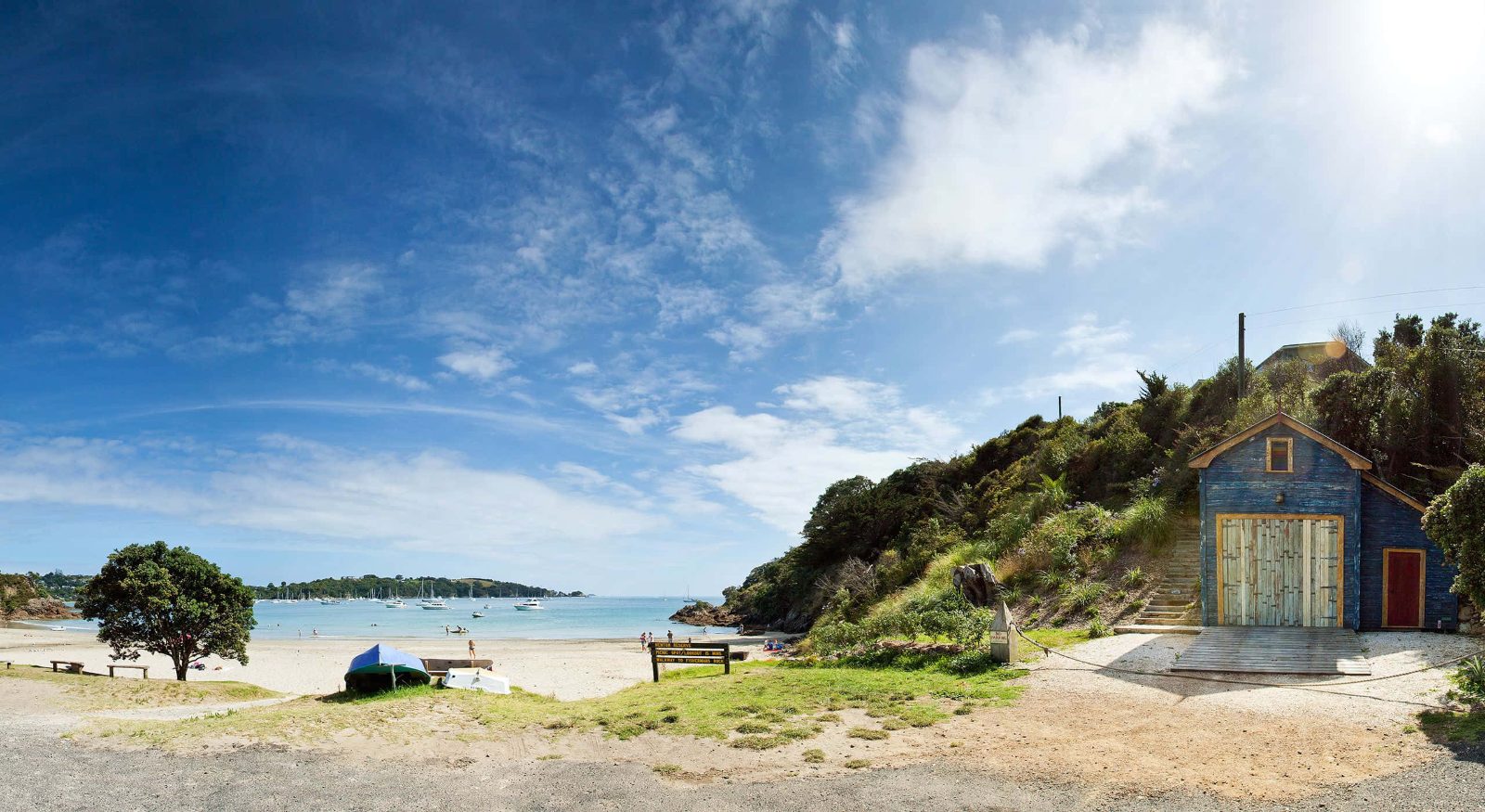
A popular local beach perfect for walking.
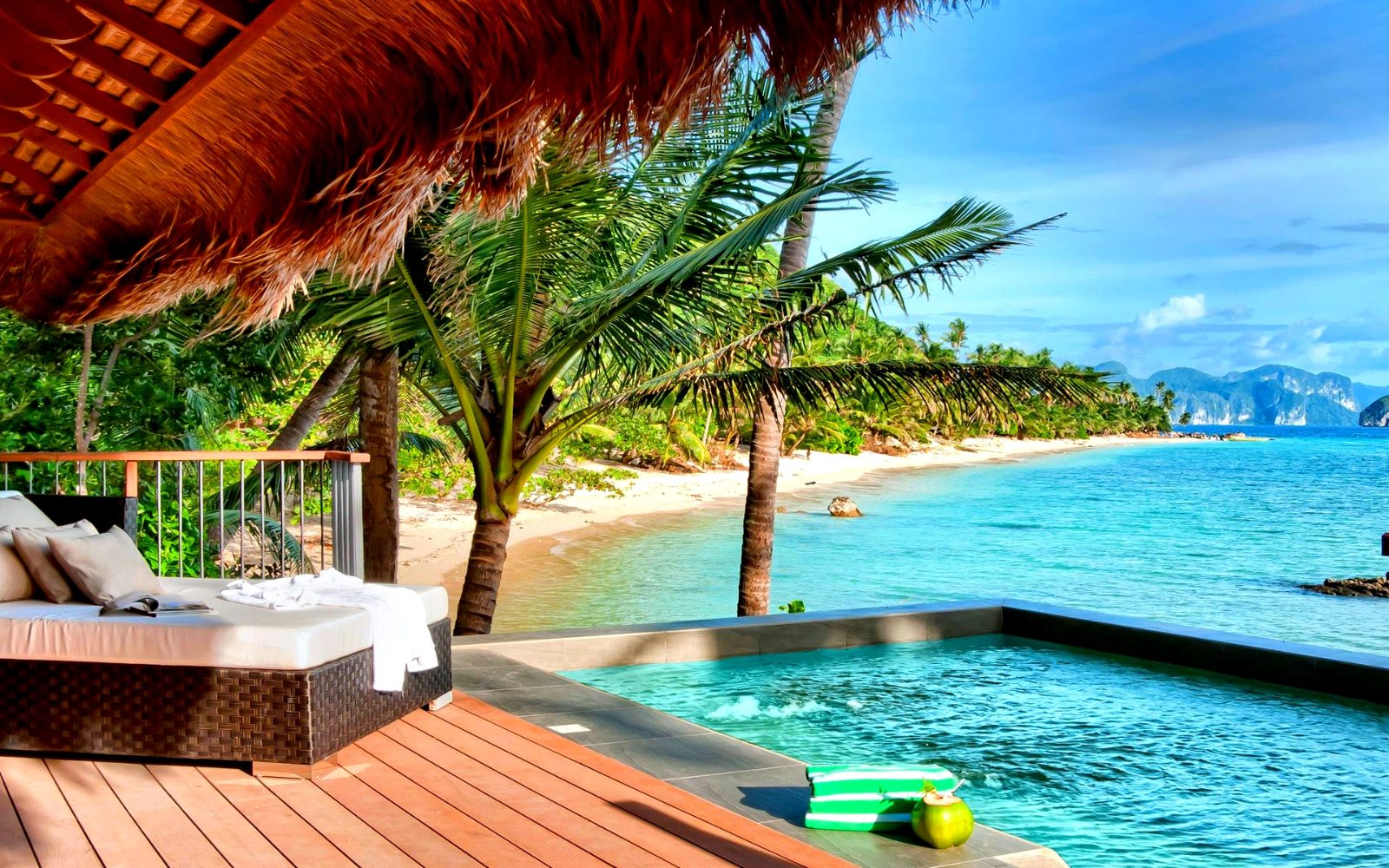
High-end stays located directly on the beach.
Local lodging options closer to dive shops.
Affordable beds for active travelers.
Join thousands of happy travelers who have discovered this incredible experience
Book Your Experience Now