

Quick answer
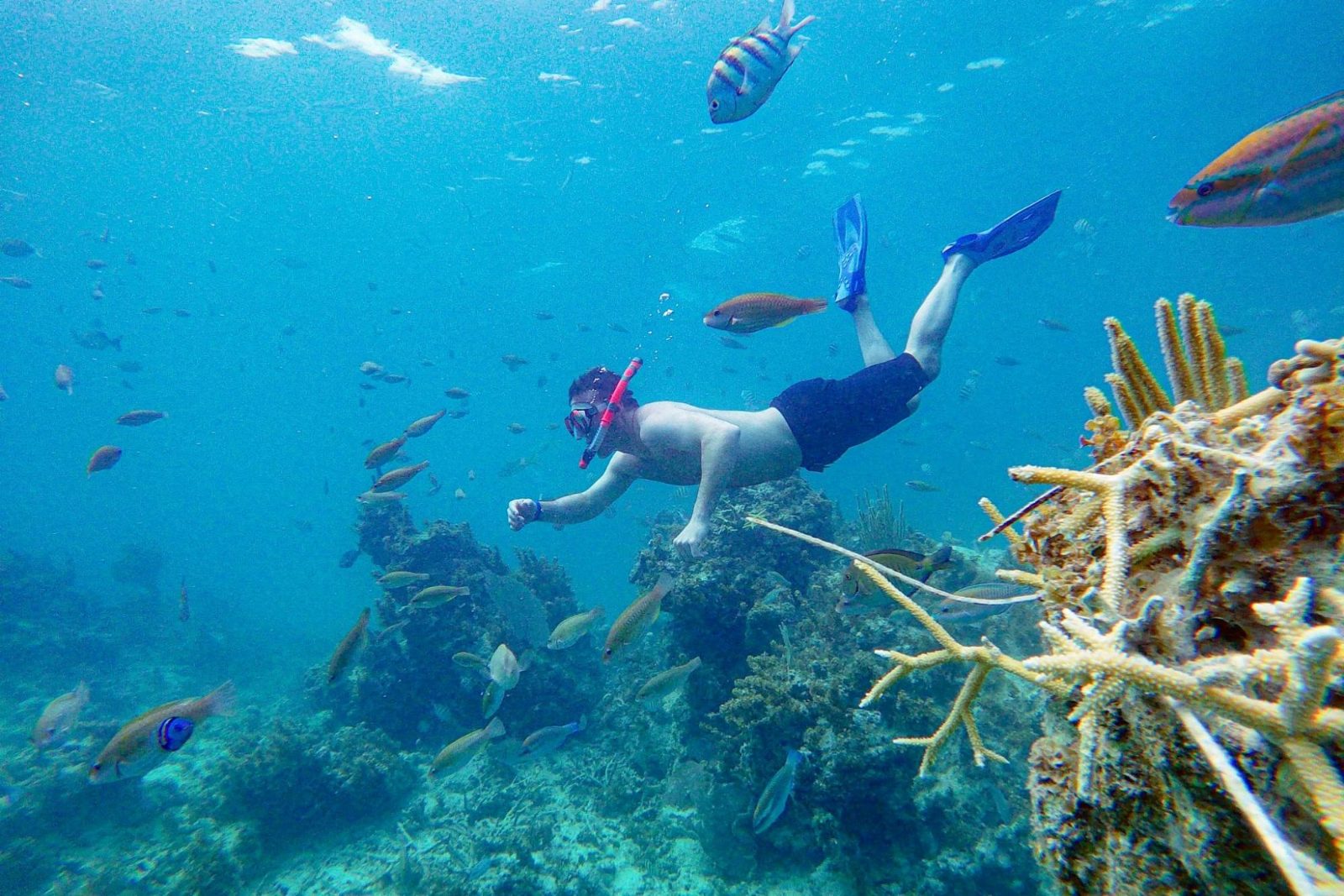
Is there good diving in Punta Cana? Yes. The region features intact coral walls, wreck dives including a sunken cargo plane, and regular sightings of nurse sharks, eagle rays, and moray eels. Water temperatures average 26-29°C year-round, and visibility typically ranges from 15 to 30 meters, with the clearest conditions between May and September when seas are calmest.
The Dominican Republic's easternmost shore holds more than two dozen named dive sites within a thirty-minute boat ride of Punta Cana's marina district. Most sit in water depths between twelve and thirty meters, placing them within recreational diving limits. Coral formations here grow along steep drop-offs that descend beyond sport-diving range, creating dramatic wall profiles visible from the surface on calm days. Local operators run daily excursions to both natural reefs and artificial structures. The Astron wreck—a forty-meter cargo plane deliberately sunk in 1997—rests at twenty-five meters and attracts schooling barracuda and green moray eels. Shallow sites like La Cueva feature swim-throughs and overhangs where Caribbean reef sharks patrol the thermocline. Water clarity depends on weather patterns, wind direction, and plankton blooms, with morning departures between eight and eleven typically encountering the least surface chop. Marine biodiversity here reflects broader Caribbean ecology: brain coral colonies, sea fans, spotted eagle rays, southern stingrays, and occasional hawksbill turtles. Nurse sharks rest under ledges during daylight hours. Lobster and queen conch inhabit rubble zones near reef bases. The absence of major river discharge along this coastline keeps sediment levels low, though tropical storms between August and November can temporarily reduce visibility. Certification requirements follow PADI and SSI standards. Open Water divers access most sites; Advanced credentials open deeper wrecks and drift dives along the outer reef line. Operators provide full equipment rental, and many boats depart from Cabeza de Toro and Cap Cana marinas. Dive seasons run year-round, with winter months (December through March) bringing slightly cooler water and occasional north swells that limit site selection. For travelers weighing whether Punta Cana offers worthwhile underwater experiences, the answer hinges on expectation: these reefs lack the megafauna of Cocos Island or the soft coral density of Fiji, but they deliver consistent encounters with healthy hard coral structures and mid-sized pelagics in warm, clear water accessible to divers at every level.
“The Astron wreck and La Cueva's swim-throughs anchor a dive scene that balances accessibility with genuine Caribbean reef character.”
When Is There Good Diving In Punta Cana for Best Conditions?
The best time for diving in Punta Cana is during the morning hours, specifically the best arrival window of 08:00–11:00, which provides the calmest sea conditions and maximum underwater visibility. Seasonally, the months of April through June and September through November often offer the most favorable balance of water clarity and sea state.
Morning hours
Minimal boat traffic—
The ocean is typically calmest, ensuring higher visibility and less surge for divers.
April to June
ModerateWarm water 27°C–29°C
These months follow the windy season and precede the peak hurricane risk period.
September to November
LowStable seas 28°C–29°C
Calmer surface conditions frequently occur during this window, benefiting underwater visibility.
Verdict: For the most stable conditions, plan your dives during the morning arrival window of 08:00–11:00, particularly in the months of April, May, or October.
Daily Operating Hours for When Is There Good Diving In Punta Cana
Diving operators in Punta Cana maintain a consistent weekly schedule to accommodate excursions. The facilities are open seven days a week to support visitor scheduling.
| Monday | 08:00–17:00 | |
|---|---|---|
| Tuesday | 08:00–17:00 | |
| Wednesday | 08:00–17:00 | |
| Thursday | 08:00–17:00 | |
| Friday | 08:00–17:00 | |
| Saturday | 08:00–17:00 | |
| Sunday | 08:00–17:00 |
Is There Good Diving In Punta Cana Without High Costs?
Access to the beaches in Punta Cana is free for the public. All costs associated with diving are derived exclusively from private operator excursion fees.
While beach entry is 0 USD, the total cost for diving depends entirely on the private operator excursion rates.
Where Is There Good Diving In Punta Cana: Notable Sites
Punta Cana offers diverse underwater terrain ranging from shallow coral reefs to intentional shipwreck sinkings. These sites provide accessible opportunities for divers to observe Caribbean marine life in varied environments.
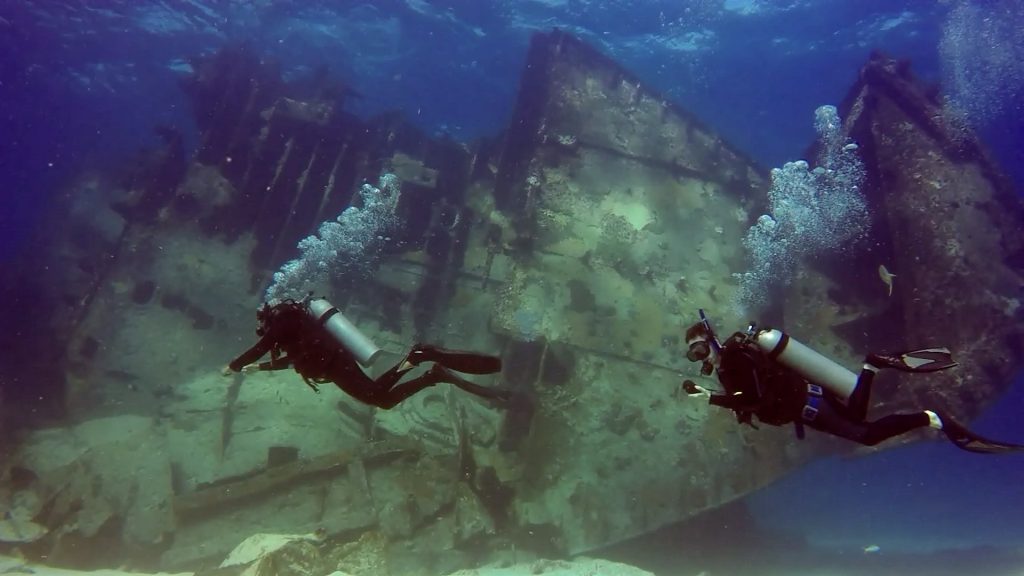
Astron Wreck
This cargo ship sank in 1978 and rests in shallow water, allowing divers to see the massive propeller and engine parts. It is a frequent site for observing schools of grunts and sergeant majors.
Approach the wreck from the stern to see the propeller first.
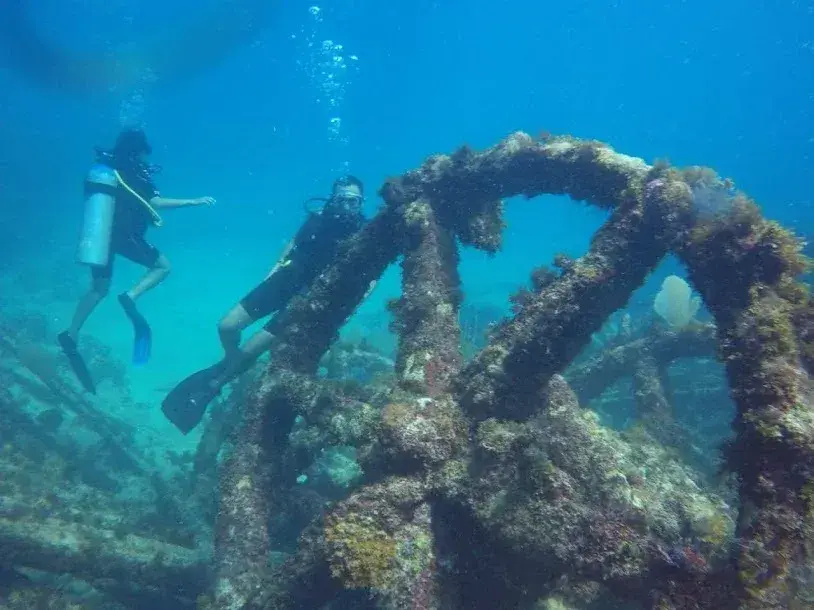
Monica Wreck
Located at a depth of roughly 30 meters, this vessel offers a structured environment for more experienced divers to explore the hold and machinery. The exterior is covered in sponges and coral growth.
Bring an underwater flashlight to inspect the interior compartments.
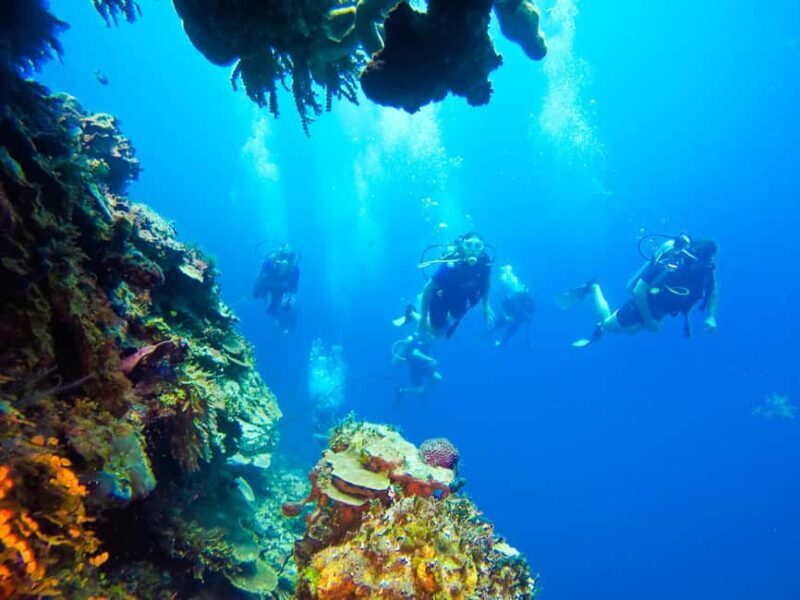
El Pilon
This site features a wall formation that descends into deeper water, providing a different topography than the local reefs. Divers often encounter stingrays and moray eels along the rocky crevices.
Maintain neutral buoyancy to avoid contact with the wall.
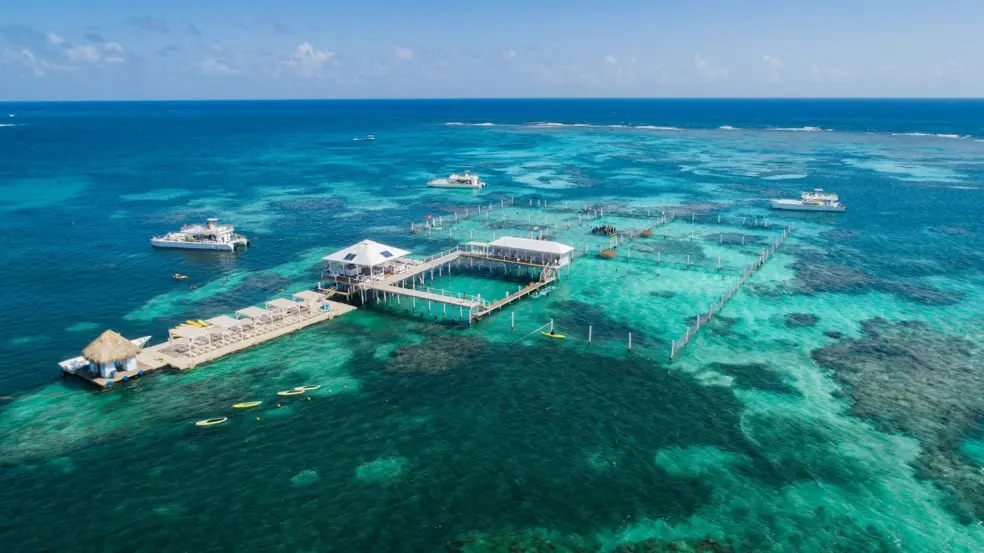
Marinarium Reef
This protected reef area is characterized by shallow, clear water and high concentrations of tropical fish. It is suitable for those looking for a relaxed dive with high visibility.
Focus on the reef edges where larger fish congregate.
Expert Tips for When Is There Good Diving In Punta Cana
Practical preparation ensures a reliable and safe experience when exploring the marine environment of Punta Cana.
Certification verification
Bring your physical or digital PADI/NAUI certification card, as local operators strictly require proof of credentials before equipment rental. Digital copies stored offline are often acceptable if they include your certification number and status.
Gear maintenance checks
Inspect rental regulators and buoyancy control devices personally before leaving the dock. Verify that inflator hoses function correctly and that no air leaks are audible from the first stage.
Surface marker usage
Carry a personal surface marker buoy even if your dive master provides one. Local boat traffic remains steady, and deploying your own buoy increases visibility to captains during your safety stop.
Hydration and sun protection
Drink significant amounts of water between dives, as the Caribbean heat accelerates dehydration. Apply reef-safe sunscreen at least 20 minutes before water entry to remain compliant with local environmental regulations.
Dive computer reliance
Do not rely solely on your guide's depth or time readings. Maintain your own dive computer profile to track personal nitrogen absorption levels throughout the excursion.
Pre-Visit Checklist: Is There Good Diving In Punta Cana For You?
Before you head out to explore Punta Cana's dive sites, confirm you have these essentials in order.
-
Book your dive excursion in advance — Operators fill up quickly, especially during peak morning departure windows.
-
Bring valid dive certification cards — PADI, SSI, or equivalent credentials are required for certified dives.
-
Pack reef-safe sunscreen and rashguard — Protect your skin without damaging the coral ecosystems you'll be visiting.
-
Carry government-issued photo ID — Operators require identification for liability waivers and insurance documentation.
-
Confirm medical fitness for diving — Certain conditions require physician clearance before participating in scuba activities.
-
Arrange transportation to your operator's dock — Most dive sites require boat access from specific marinas in the Punta Cana area.
-
Bring a waterproof bag for valuables — Protect phones, wallets, and cameras during boat transfers and between dives.
Check availability
Common Questions About Diving in Punta Cana
Everything you need to know about is there good diving in punta cana